
US consumer inflation eased in February but remained elevated, according to government data released on Tuesday, increasing pressure on the Federal Reserve as it balances its inflation battle with financial stability concerns.
The central bank has been in an aggressive campaign to tame inflation, raising interest rates eight times since the beginning of last year to ease demand.
When Fed Chairman Jerome Powell initially said the Fed was ready to increase the pace of rate hikes if necessary, as economic data heated up, the collapse of Silicon Valley Bank (SVB) last week and New York-based Signature Bank could complicate its efforts.
The consumer price index (CPI) rose six percent from a year ago, below the January figure and in line with expectations, according to Labor Department data released Tuesday.
While this is the smallest annual increase since September 2021, the rate remains above policymakers’ long-term two percent inflation target.
Between January and February, the CPI rose 0.4 percent, slowing from the previous month as well.
“The index for shelter was the largest contributor … accounting for more than 70 percent of the increase,” the Department of Labor said in a statement.
He added that indices for food, recreation, as well as furniture and household operations were also contributors.
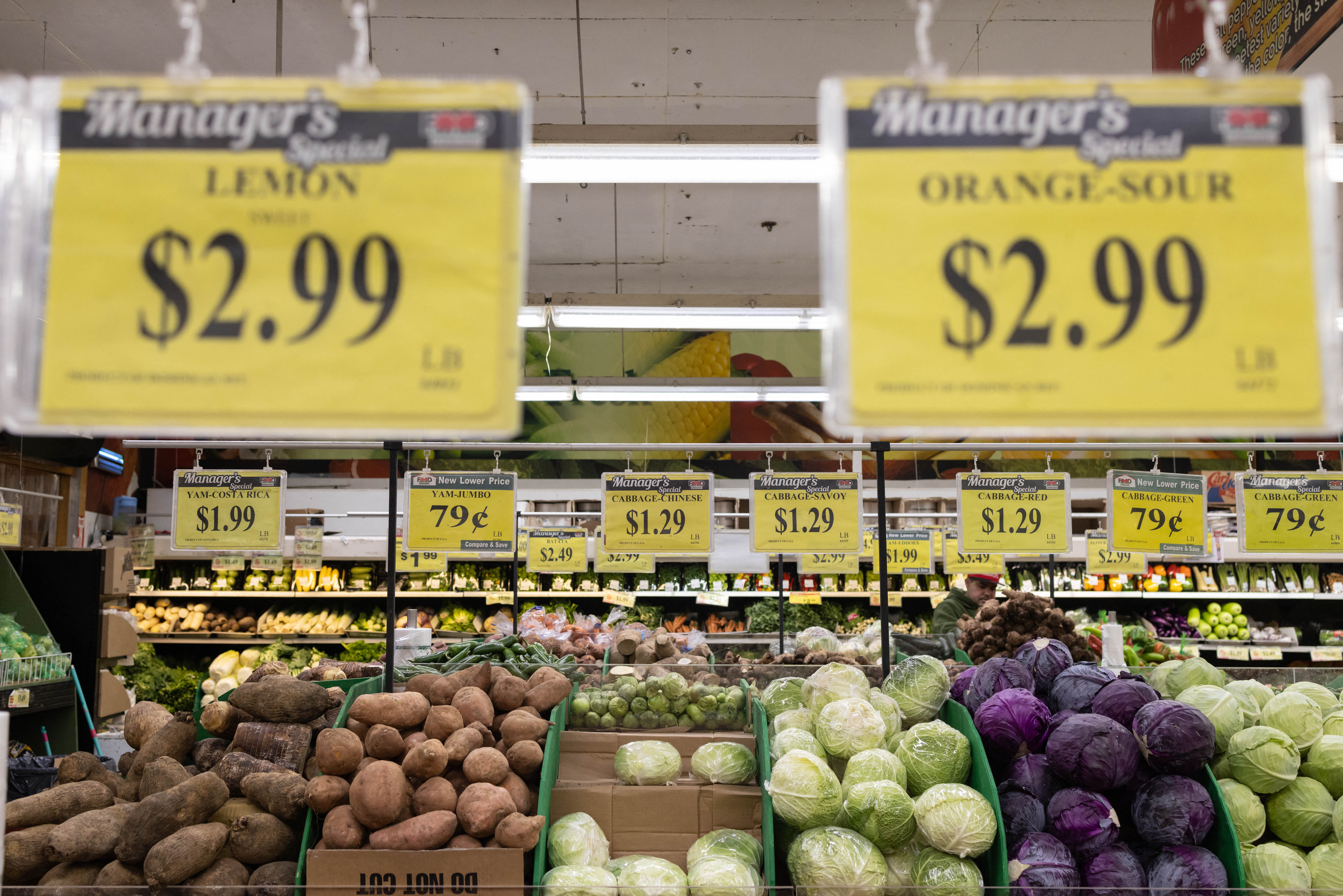
In particular, the food index in February remained almost 10 percent above last year’s level, with food prices still high.
Meanwhile, the cost of shelter services and transportation ticked up, underscoring the challenge of bringing inflation down.
Excluding the volatile food and energy segments, the CPI rose 0.5 percent from January, down from the previous month’s numbers.
The key to financial stability
While many analysts are predicting that the Fed may raise rates as the economy is hotter than expected, some are dialing back expectations now.
The Fed and other central banks around the world have been raising interest rates since last year to contain decades of high inflation.
This helped some lenders post healthy profits for 2022, but higher rates also reduced the value of bonds bought by banks when yields were lower.
SVB collapsed after a loss of $ 1.8 billion in the sale of $ 21 billion in securities.
The implosion marked the biggest banking failure since the 2008 global financial crisis, leaving the Fed in a difficult position as it tries to fight inflation without adding to the rout of some banking stocks.
The data supports a 25-basis-point rate hike at the Fed’s upcoming policy meeting, said economist Rubeela Farooqi of High Frequency Economics.
“However, the decision will depend not only on economic data but also on financial stability concerns, which could keep the Fed on the sidelines next week,” he said.