
When he was sworn in on May 29, Bola Tinubu should know that Boko Haram the crisis presented a major challenge to his government. After being declared the winner of the February 25 presidential election, he may begin working on the transition, including getting a security briefing.
As the leader of the ruling All Progressives Congress and a close ally of President Muhammadu Buhari, Mr. Tinubu can also benefit from direct information from the elected vice president, Kashim Shettima. Mr. Shettima was the governor of Borno State, which remains the hardest hit by insecurity, at the height of Boko Haram violence between 2013 and 2015.
Pledging allegiance to the Islamic State, the insurgents seized control of 27 local government areas in northeastern Nigeria, sparking one of the world’s biggest but least reported humanitarian crises.
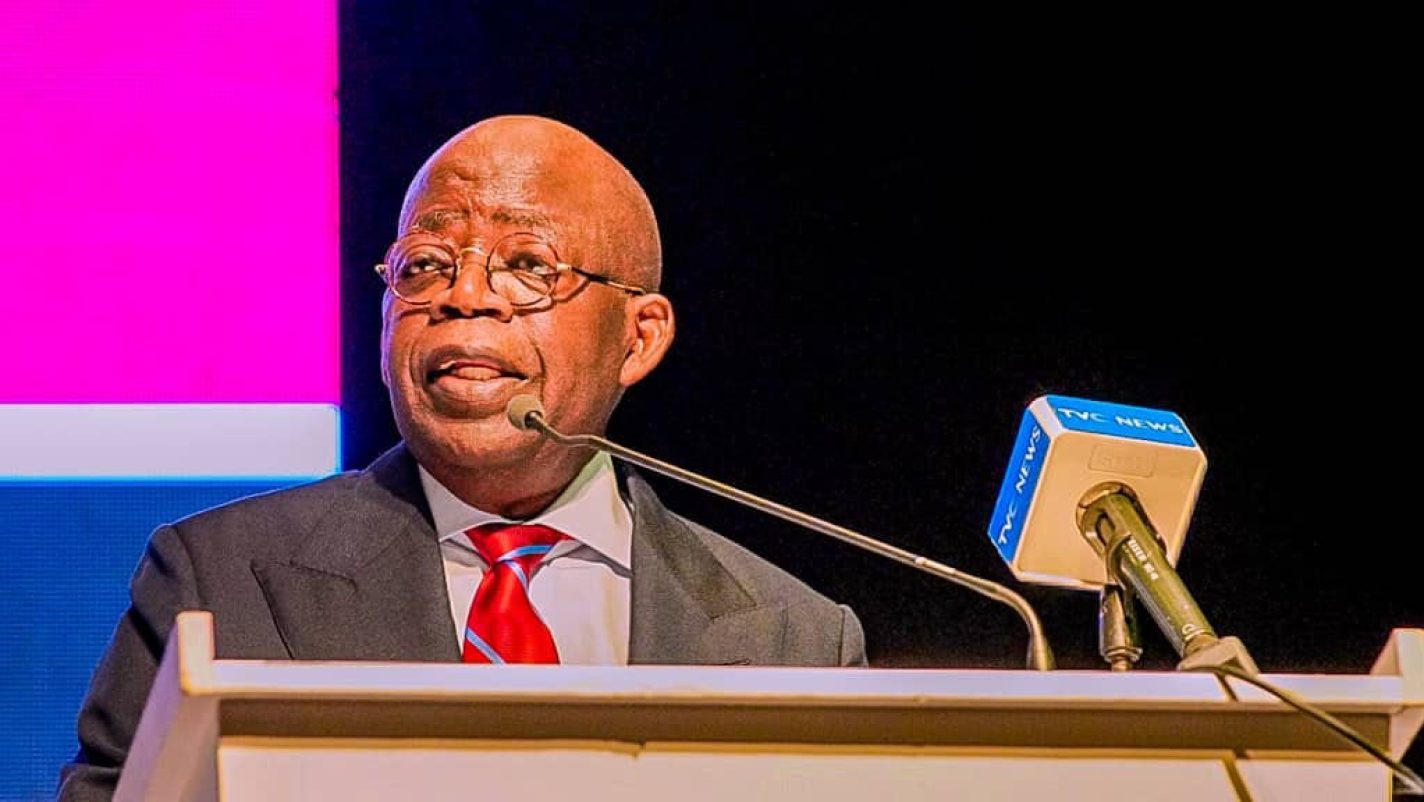
Boko Haram is giving Mr. Tinubu the toughest security test yet. Now in its 14th year, the rebellion has defied a solution, which until now has been mostly military. Mr. Buhari is the third president who has failed to end the crisis, despite promising to do so during the campaign. He claimed to have defeated the group after becoming president, but Boko Haram’s violent attacks continued, including outside the core area in the northeast.
More disturbingly, the Islamic State West Africa Province (ISWAP) – founded less than three months before Mr Buhari became president in 2015 – grew and spread during his presidency. Last year, ISWAP claimed attacks in at least seven states outside Borno: Abuja, Edo, Kano, Kogi, Niger, Ondo and Taraba. All are places that ISWAP has not attacked before.
Boko Haram is not the only security issue the next president has to deal with. Banditry has reached such an alarming level that people in the northwest are fleeing their homes across the border into Niger. Villagers cannot access agricultural land for fear of being attacked.
In some cases, people are forced to pay bandits to be allowed to farm. The resulting destruction of livelihoods has led to malnutrition among children in the region. Bandits have spread to Niger, a country that also faces the challenge of Boko Haram.
Similarly, in North-central Nigeria, the farmers-herdsmen crisis remains a major concern. At the same time, communal clashes and separatist agitations threaten peace in the South, especially in the South-East and South-South zones.


Mr. Tinubu definitely has his work cut out for him, but the incoming president also has the opportunity to show Nigerians that he can rein in insecurity.
Some of the initial appointments that Nigerian presidents usually make are heads of security agencies, ranging from national security adviser to chief of defense staff. This is the person who will direct the vision of security, so that the appointment will properly show how important the issue is.
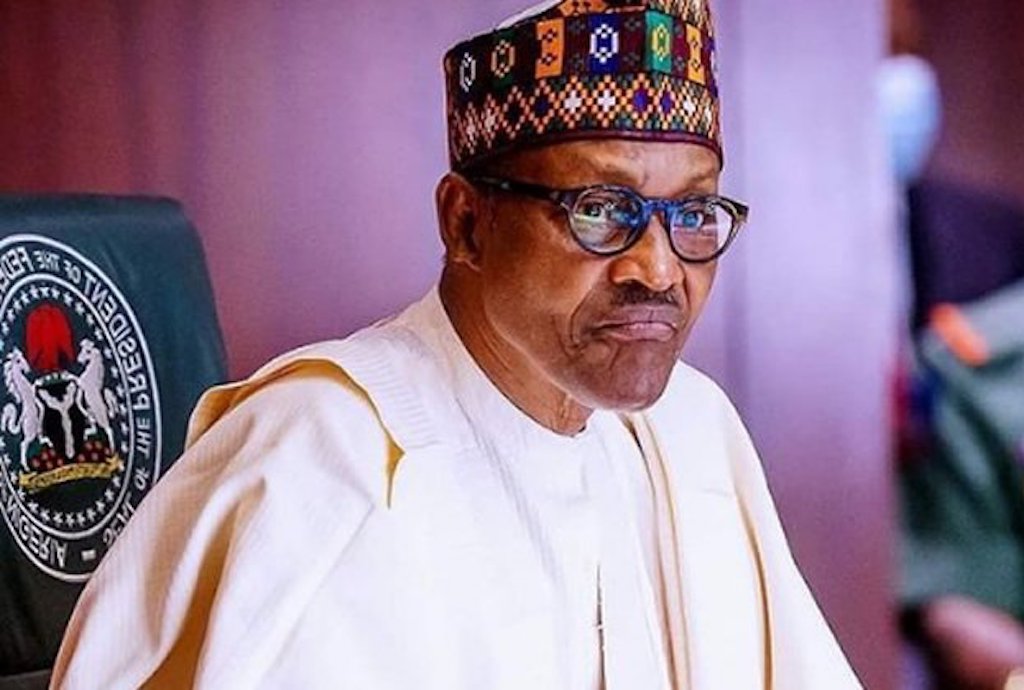
As Commander-in-Chief, the president must be seen as responsible for the situation. They can do this by determining, holding the designated person and linking their position to complete the delivery. He should listen to public complaints and objections calling for the security chief to be sacked – and Mr Buhari’s denials. Mr. Buhari has in fact continued to defend him in the face of insecurity.
READ ALSO: Why Pantami Is Unfit For Public Office In Nigeria, By ‘Tope Fasua
Mr. Tinubu should consider the intelligence-led sector that nips security threats in Bud before they materialize. To achieve this, Nigeria’s security sector must be transformed from a predominantly predatory nature to one that is civilian-centric and focused on building trusting relationships with civilians. If Nigerians trust security officials, they will be willing to help, especially when it comes to intelligence meetings.
The president must also consider long-term solutions that go beyond military intervention. They must pay equal attention to governance and socio-economic issues that provide fertile ground for recruitment into violent extremism and criminal gangs.
Mr. Tinubu also has the opportunity to provide leadership in West Africa and the Sahel to address insecurity from various terrorist groups. The successes achieved from decisive action on Nigeria’s internal security challenges can be used to rally leaders of other countries in a cooperative effort. The effort must address the problem regionally and holistically by denying the insurgents space to operate and expand.
Developments in the Lake Chad Basin and the Sahel show that violent extremism cannot be defeated by one country, due to the crisis of internationalization. This makes recruitment and attacks across borders easy.


With the best ground forces in Africa and the second best military in sub-Saharan Africa, Nigeria has the capacity to provide leadership in the region. What is lacking is the political will to translate that capacity into tangible results – and this is an opportunity that Mr. Tinubu’s incoming administration must seize.
Mr. Buhari will be remembered for Operation Safe Corridor, the country’s program to reduce radicalization and integrate ex-combatants. The operation reduced Boko Haram members by more than 1,000 fighters. However, Mr. Tinubu has a chance to be remembered as the leader who finally ended the crisis.
Malik Samuel, Researcher, Institute for Security Studies (ISS) Regional Office for West Africa, Sahel and Lake Chad Basin
Research for this article was funded by the Dutch and Danish governments.
(This article was first published by ISS Today, Premium Times’ syndication partner. We have permission to republish).
Support journalism integrity and credibility PREMIUM TIMES
Good journalism costs a lot of money. But only good journalism can guarantee the possibility of a good society, responsible democracy, and transparent government.
For continued free access to the best investigative journalism in the country, we ask that you consider making a modest contribution to this noble effort.
By contributing to PREMIUM TIMES, you help keep journalism relevant and ensure it remains free and available to all.
contribute
AD TEXT: Call Willie – +2348098788999
