
While Italy is serious about running the country’s affairs due to pressure from the European Union – read Germany – they tend to bring in technocratic leaders. Since 1993, the country with many coalition governments with crazy leaders such as Silvio Berlusconi at center stage, has had four technocrat leaders. It is not wanted by party politics because it is recruited from outside the parliament and can open the country’s problems without worrying about the political consequences.
I think we can all agree that the management of South Africa’s electricity crisis since the first smoke signal some 25 years ago has been bad, to put it simply. From the indecision on privatization in the early years, to the subsequent opportunism and corruption that followed the construction of two coal-fired power plants in Medupi and Kusile, this was the biggest failure of the government in three decades.
No matter how we get out of this hole, it is clear that politicians are not the right people to drag us out. No matter how well-intentioned, whether Gwede Mantashe or Pravin Gordhan, the general apathy and lack of confidence in the ANC’s ability to oversee Eskom and the expansion of our electricity grid is just too big to deal with for the people and the investment world as a whole. .
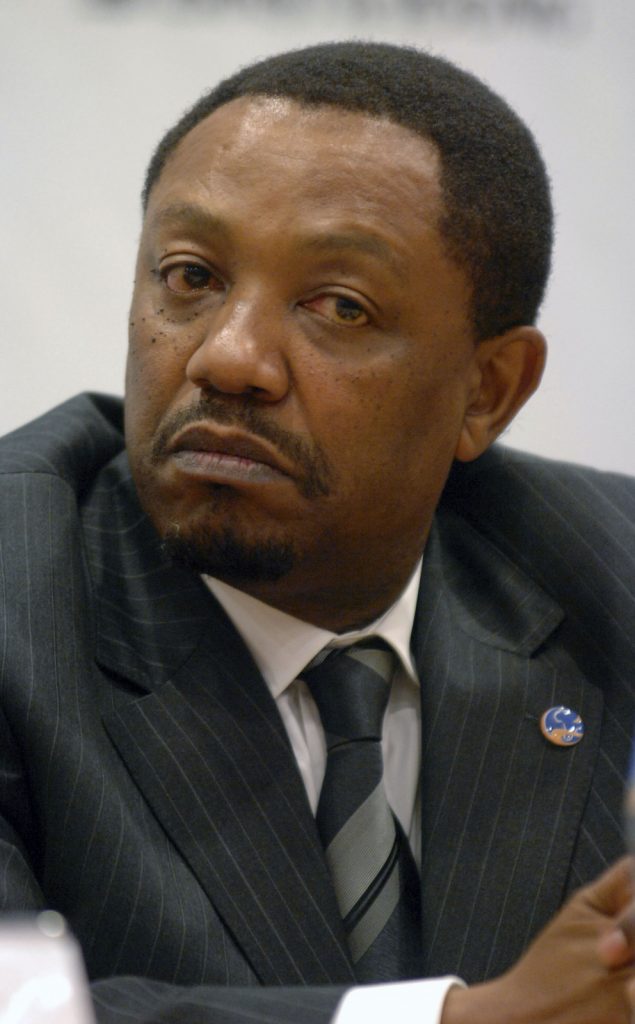
So, maybe President Cyril Ramaphosa is right, and I have to give him credit – we need Mario Draghi, the last technocratic leader to save Italy. I have considered creating a Minister of Electricity, or “project manager” as Mantashe has eliminated, and a name that might be tempted to take the role, is now there.
This is all speculative, I know, but there are names that will not ruffle feathers in the ANC or among opposition parties, such as the Democratic Alliance. The response of the Economic Freedom Fighters is anyone.
The Chairman of the Public Investment Corporation, and director of some of our blue chip companies, Reuel Khoza, is a name that catches my eye. As chairman of Eskom between 1997 and 2002, he warned the Thabo Mbeki administration about the electricity deficit.
Like all of us, things related to his former employer are still of interest. Last October, in a webinar organized by the Center for Development and Enterprise on leadership in South Africa, he called for skilled engineers and craftsmen to be recalled to tackle the Eskom crisis. He said that the state should not interfere with Eskom’s day-to-day activities, as the sole shareholder, the state should act as one and ensure that there is a solid and accountable seat at the annual general meeting.
He will certainly bring a level of confidence to the stakeholders, in the same way that Thulani Gcabashe, the executive director of Eskom between 2000 and 2007. I am sure he also knows the story of Eskom and why it is today; he was warned of this potential outcome. Gcabashe stepped down as chairman and director of Standard Bank last May, as its top director.
Then there is the case of Daniel Mminele, the former deputy governor of the Reserve Bank and the short-lived CEO of Absa. I felt his departure from the public service to the private sector was a loss in time and not surprising that the skullduggery of the Absa company will be too much to navigate. (After Absa, I’m sure politics can’t scare him.) He most recently chose not to renew his contract as head of the President’s Climate Finance Task Team, tasked with finalizing an $8.5 billion deal for the country.

After being called as the finance minister, due to the power of leadership in the Reserve Bank, perhaps, the project to oversee the most important crisis may attract attention.
These are the only three candidates I chose. There are others who can be found who can stand in the position of “Draghi” in the government, who needs the support and protection of the president. To be fair, because he doesn’t like changing his cabinet, he is, if anything, loyal to the men and women in his cabinet, unlike before.
While we wait for the president to reshuffle the cabinet in the coming weeks, and the economy continues to struggle under the weight of open-disposal which Absa has warned of a technical recession – two consecutive quarters of negative growth – we can only speculate on what could happen. This is just my two cents.