
Colonial and apartheid-era policies and practices created an exploitative and exclusive mining model in South Africa, a legacy that continues to shape the economic, social, and legal landscape of the mining industry today.
Various accounts from community members affected by mining, as captured in Lawyers for Human Rights (LHR) and the Rosa Luxemburg Stiftung 2022 report The Impact and Assessment of Improper Mine Closures in South Africa: Community Perspectives on Human Rights, reveal the demographic landscape and socio-economics that developed from apartheid spatial planning and mining legacies that remained unchanged.

Mining-affected communities have expressed concern about the devastating environmental and social impacts of mining on their welfare and livelihoods, particularly during mine closures. While the post-apartheid government has taken legislative measures to regulate mining operations and transform the industry, the reality of life for many residents of mining-affected communities is that these have not done effectively to transform and balance the harmful impacts of mining on their daily lives. .
The public is of the opinion that the impact of mining and inequality are perpetuated by the incompatibility of national and transnational companies as well as the lack of state supervision – intentional or negligent – in their activities.
An examination of the country and the impact of improper mine closures in South Africa and understanding community perspectives allowed LHR to assess the true human cost of mining projects in South Africa. Black communities are left in the dust as mining companies continue to extract wealth from the land these communities use.
The adoption of legislative measures such as the Mineral and Petroleum Resources Development Act (MPRDA) in 2002 was an important step to address inequality in the mining industry. In recognition of the fact that South Africa’s mineral resources are the common heritage of all people living here, the MPRDA requires mines to be included in applications for mines Social and Labor Plan (SLP), which must detail the mine’s plan to benefit. community. SLP is a legal mechanism that companies can use to improve employment, promote social and economic well-being, and contribute to the development of the communities in which they operate.
However, due to the lack of consultation with the host communities about the type of development they want to benefit from and the failure to fulfill the promises made in the SLP, many mining communities continue to live in extreme poverty. LHR’s research shows that despite the precarious socioeconomic conditions during mining, these conditions decline drastically at the point of mine closure when the main source of economic activity – mining, and the local economy dependent on mining – ceases.
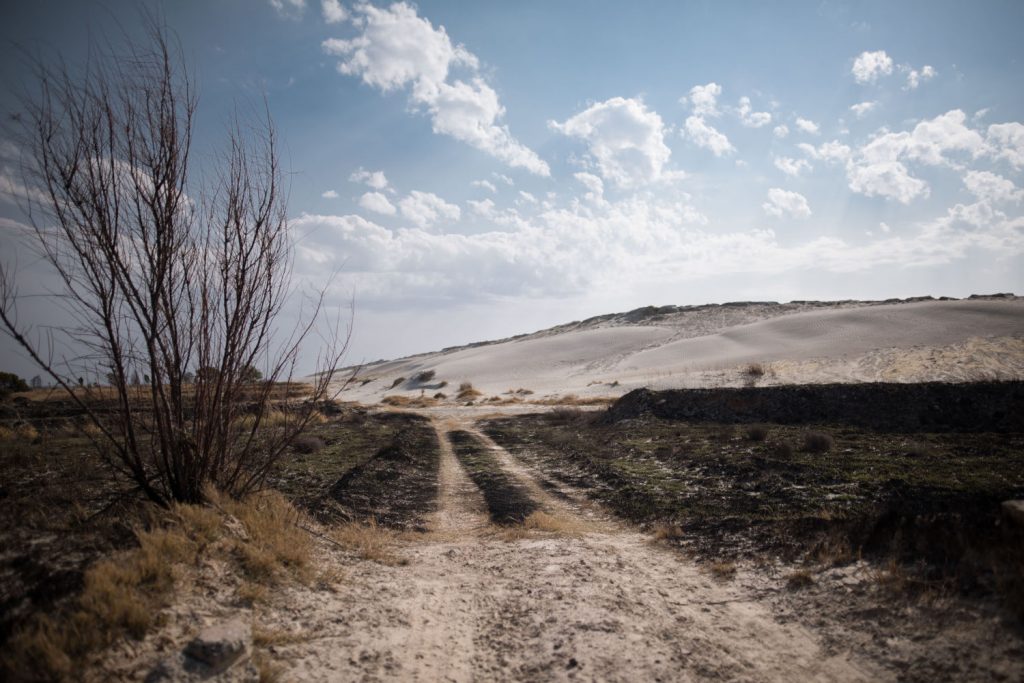
Inequality continues to characterize mining in South Africa, and there is an increase in mining companies avoiding their obligations during and after mining. Host communities have expressed concern over the lack of regulatory oversight by the Department of Mineral Resources and Energy (DMRE), particularly at the point of mine closure. Research shows that despite formal legislative processes and requirements for mine closure, corporate impunity and poor state regulations have led to the improper closure or abandonment of mines, creating long-standing environmental, economic and social problems for mining-affected communities.
Instead of officially closing mines, many mining companies suspend operations under the guise of temporary care and maintenance and continue to renew temporary suspensions for years, or indefinitely. Alternatively, mines are sold to small companies that do not have the necessary resources to ensure that mine closures are carried out responsibly and in compliance with the law. In some cases, the mine is simply abandoned by the company.
In mines that are not closed properly, mine shafts and pits are often open and sometimes not fenced, and this is also related to the failure to maintain and reduce the negative impacts of mining waste such as tailings dams and rock dumps. In a 2017 study of four communities in Soweto, the non-governmental research and advocacy organization Bench Marks Foundation confirmed that due to the large amount of waste in mine dumps, communities are exposed to dangerous heavy metals such as silica, zinc, lead and copper. These metals are thought to be responsible for many of the health complications the community is experiencing, including kidney, nerve, heart and respiratory diseases.
The Geoscience Council indicated that in 2016, South Africa had 6 000 “derelict and unowned” mines. Although the DMRE has apparently tried to reduce the harmful impact of improper mine closures, especially for asbestos mines, it is not clear what the department is doing to address the challenges associated with 6,000 unowned and unowned mines, and improper mine closures. wide.
In the absence of adequate regulation and legislative compliance, mining-affected communities end up bearing the burdens associated with improper mining and mine closures, including general security, health, environmental and socioeconomic injustices.
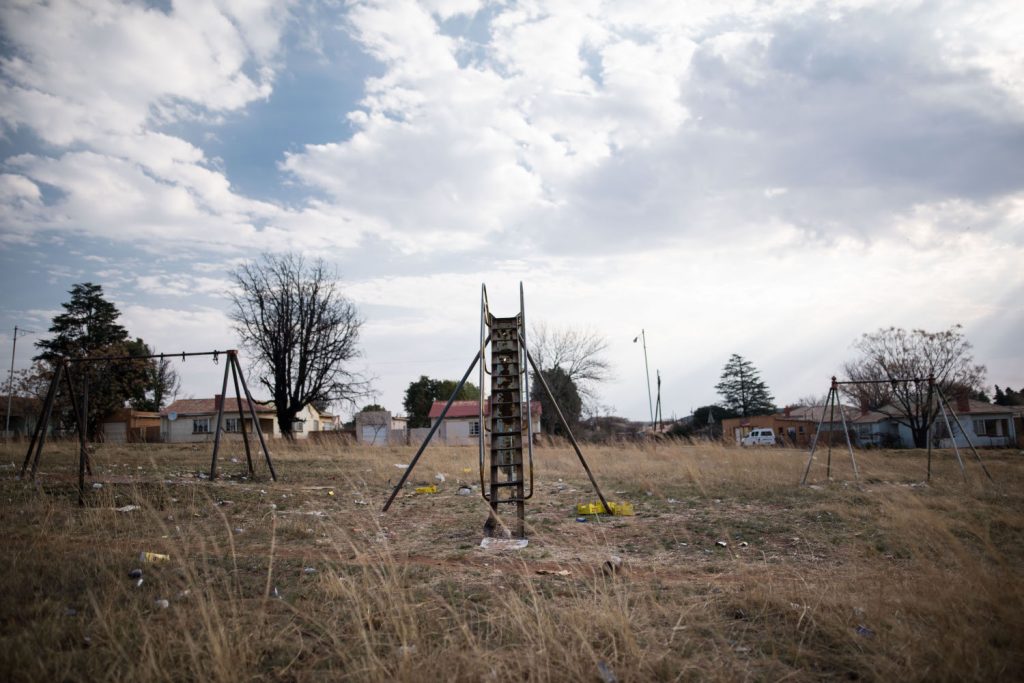
In fact, abandoning the mine has been synonymous with abandoning the mining community and more so the social responsibility towards the community. With the continued failure of regulation, the relationship between community livelihoods and mining activities is intertwined in a way that creates a power imbalance where host communities become dependent on mines for economic survival. Therefore, when mines are closed or put under indefinite maintenance and upkeep, there is a monumental impact on the livelihoods of mining communities. In this regard, we need to think about what progressive realization, rights protection, and sustainable post-mining communities look like, and what it takes to achieve this.
Effective mine closure requires proper planning throughout the mine life cycle and not just at the end of mine life. There should be greater regulatory oversight and community consultation at every stage of mining, including mine closure. Mining companies must be held accountable for their practices and their impact on society.
A common thread in the history of South African mining is inequality. We need to break this thread and ensure that our vision of mining justice is based on shared prosperity. This can only be done through real and real community participation in all decision-making processes throughout the life cycle of the mine, in the ownership of the mine, and in the strengthening of the legislative and regulatory framework to combat the widespread abuse of the loopholes that currently exist in the law. facilitate the dereliction of the mine and the exploitation of the community. Most importantly, communities should have the right to decide what type of development they want to benefit from. — Palesa Maloisane