
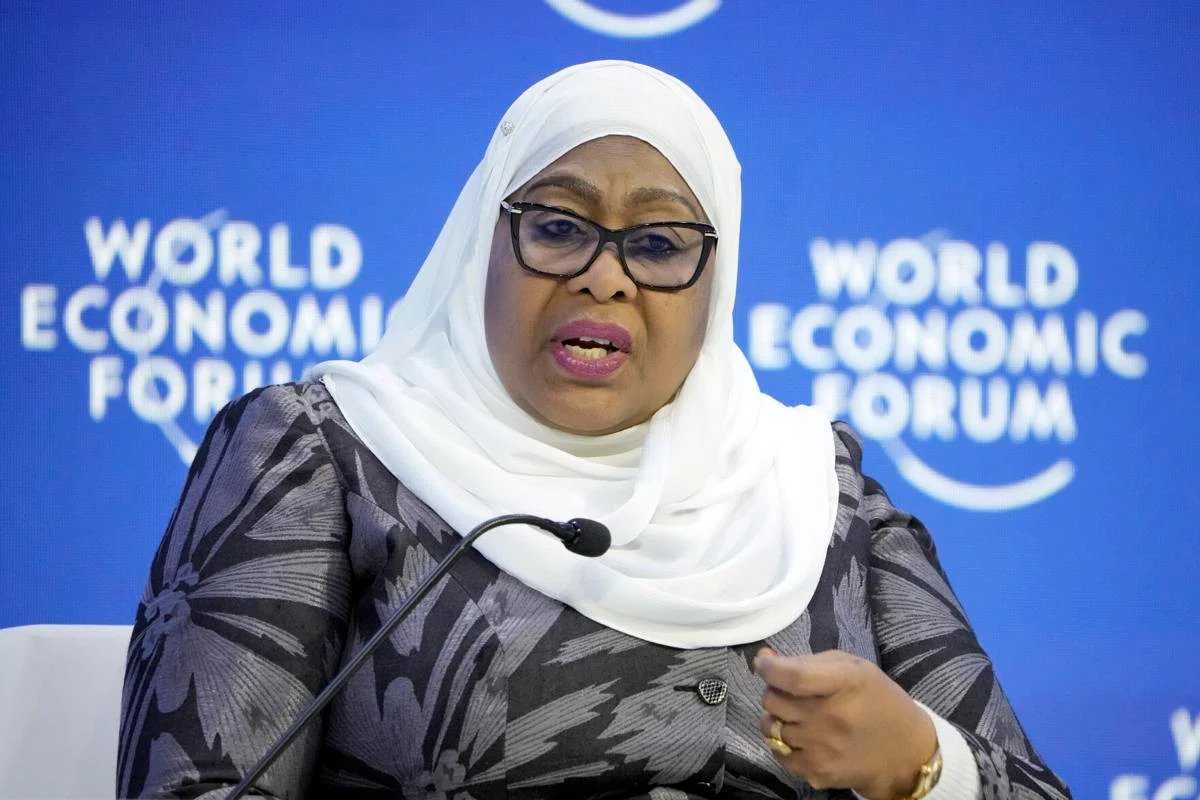
Hassan highlighted the abundance of resources in Africa, including cobalt, copper, and nickel, and emphasized the importance of using these resources to provide energy to the continent and other countries. He also stressed the need to build a regional electricity pool in East and Southern Africa to ensure energy security across the continent. “By sharing energy resources, countries can ensure that they have reliable resources even if there is a shortage in one area,” he said.
Ilham Kadri, CEO and Chairman of the Executive Committee at Solvay, also spoke at the meeting, emphasizing the need for a diverse supply chain of metals and rare earths, such as lithium, cobalt, nickel, and copper. These materials are important components of EV batteries and other clean energy technologies, and it is important to have a variety of sources to avoid dependence on a single country. Kadri also pointed out that China has created a rare earth value chain for decades, and in order to avoid the “Russian gas supply syndrome,” Europe and other countries must find various sources of these metals and minerals as well as localize battery assembly.
Discussions at the World Economic Forum also touched on the importance of policies that support the energy transition. Mark Rutte, Prime Minister of the Netherlands, highlighted the opportunity for Europe to cut red tape bureaucracy, which will unleash opportunities for innovation, new projects and work together on a European scale, or else “the real action will go to Asia and other parts of the world.” He also acknowledged that Europe could have reduced its dependence on Russian gas more quickly, but that it was a collective failure, not just Germany.
** This post is part of the Africa Collective initiative, of which Business Insider Africa is the main media partner. Learn more about the initiative here.