
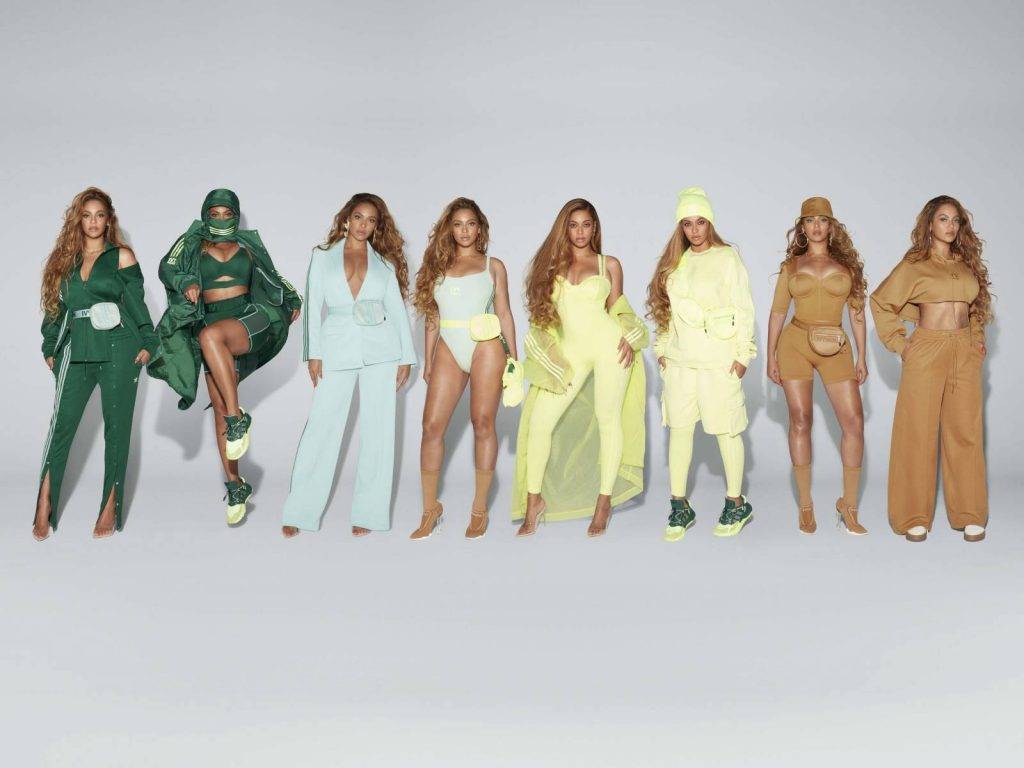
Beyoncé’s Ivy Park Collection. Photo: Provided
There are dozens of high-profile lifestyle collaborations where celebrities meet big brands to ring the bell to consumers they can feel. But what does the collaborative business model mean when these celebrity collections start to decline, both in sales and in the eyes of consumers?
The luxury house uses crossovers strategically to create unique collections. There are even posthumous collaborations between the retailer and artists such as Keith Haring and Jean-Michel Basquiat, whose signature motifs are plastered on everything from hoodies to mugs.
South African celebrities with major collaborations under their belts include Thebe Magugu’s crossover with Dior and Bonang Mathebe’s shoe line for Steve Madden last year and, this month, artist Lulama Wolf’s collaboration with H&M on a global homeware collection.
This collaboration tends to capitalize on the romance of individual genius and perceived prosperity.
Consumers may look to celebrities for inspiration but may also use them to balance out their unsatisfying lives. The height of this collaboration can only be attributed to successful commercial personalization.
When celebrities and influencers are photographed wearing designer gear in luxury homes and luxury cars, they are collaborating with brands we know and can own a piece of. But when you don’t see the product on a daily basis, the essence can disappear. If these influencers aren’t using the products they’ve supposedly collaborated with, why should consumers?
Ivy Park drops the ball
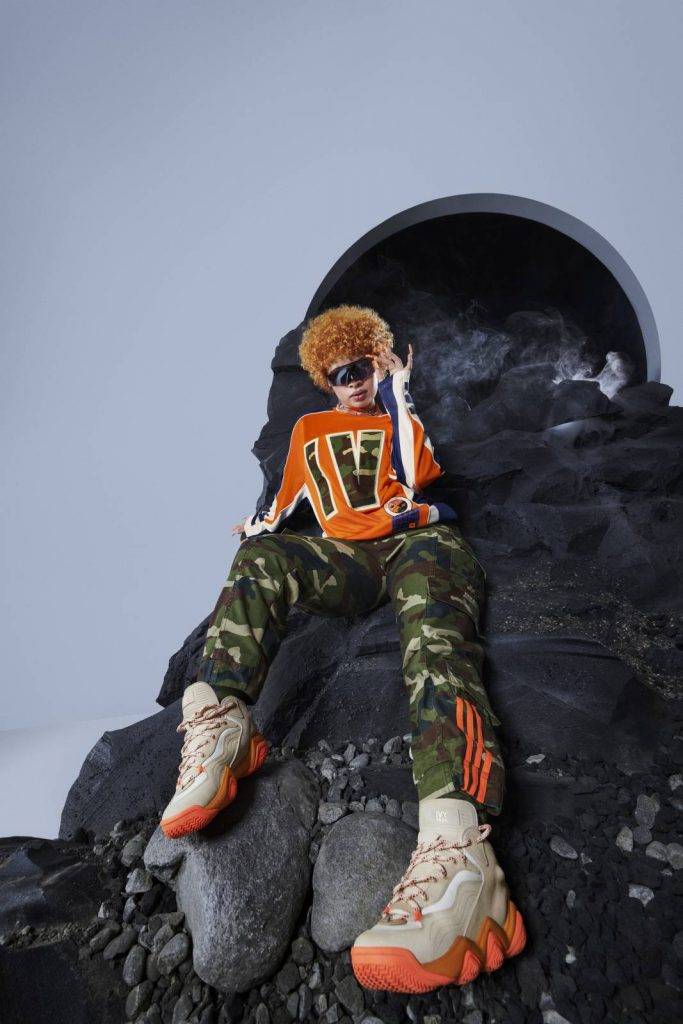
Among the dozens of collaborations is Adidas’ project with Beyoncé to produce Ivy Park and Kanye West with the now-discontinued Yeezy line. This year, Puma and Rihanna announced that they have teamed up again for the Fenty collaboration, which was first in 2014.
What these three lines generally sit under is the “athleisure” umbrella, where casual style meets high-performance materials and silhouettes.
The luxury of this category (in addition to the perceived luxury of billionaire celebrity endorsement) is the fluid style that attracts many sartorial tribes, the affinity of fans with celebrities, and the scalability of the product in terms of size, material and longevity, as long as consumers demand comfortable clothes and sneakers.
But Ivy Park and Yeezy suffered huge financial losses for the sports giant. While Beyoncé fans claimed victory by securing tickets for this year’s tour, Adidas reported a $200 million loss at Ivy Park, according to The The Wall Street Journal.
Last year, it was reported that the sales of Ivy Park had fallen 50% to $40 million, far from the target of $250 million, despite Beyoncé’s annual $20 million pay check from the collaboration. The report also said that the partnership could end this year.
Fans noted the outfits she styled in Ivy Park’s latest collection a few years ago. The color palette, silhouettes and choice of accessories speak more about the trends of 2018 and 2019.
Today, the glowing logo leaves the famous brand’s collection, while Ivy Park has distributed “IV” in this year’s Park Trail collection. Bright orange – called “safety orange” by Pantone – is more common in 2018.
Beyoncé is rarely photographed wearing Ivy Park, except in editorial photos or promotional Instagram posts, while West and Rihanna’s street style more often includes items from their lines.
Although Ivy Park’s sales figures have slumped, it is unlikely that the line will disappear from South African Adidas stores anytime soon.
I have a dilemma
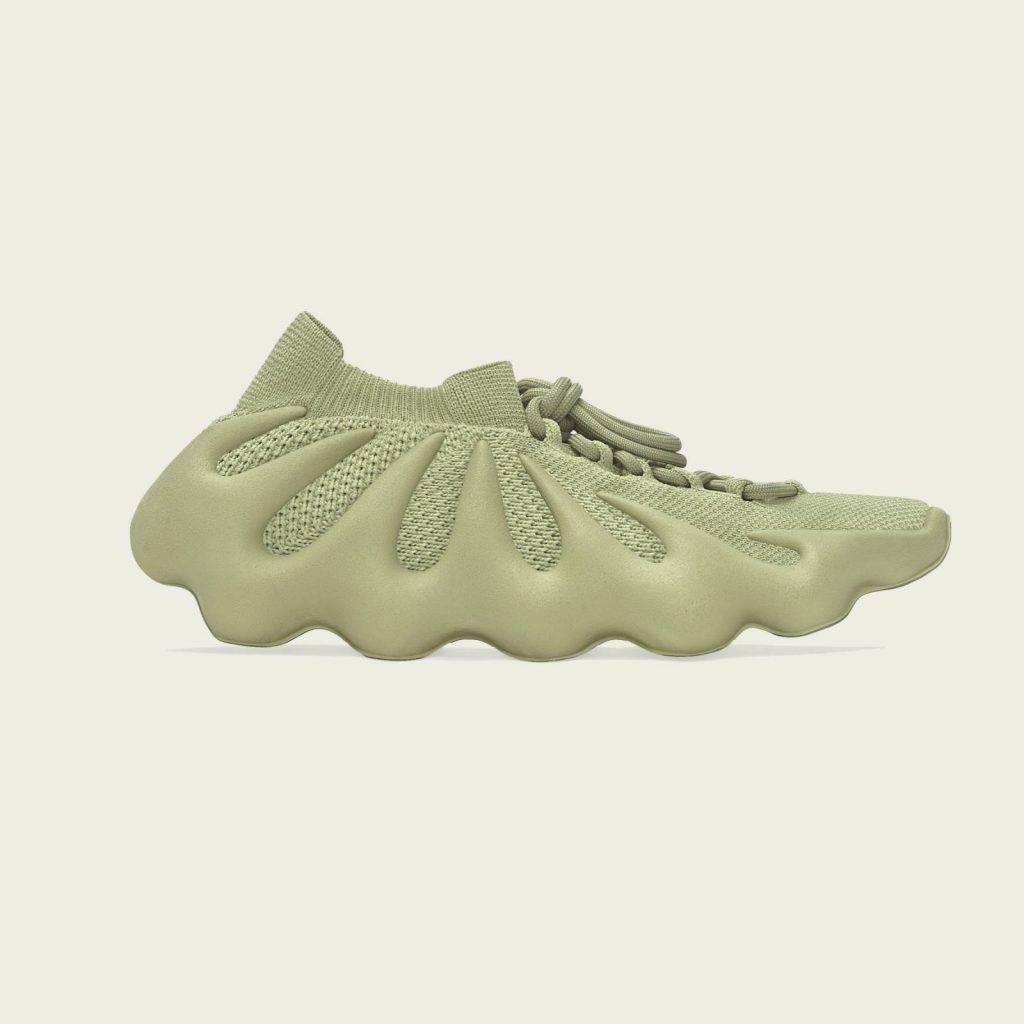
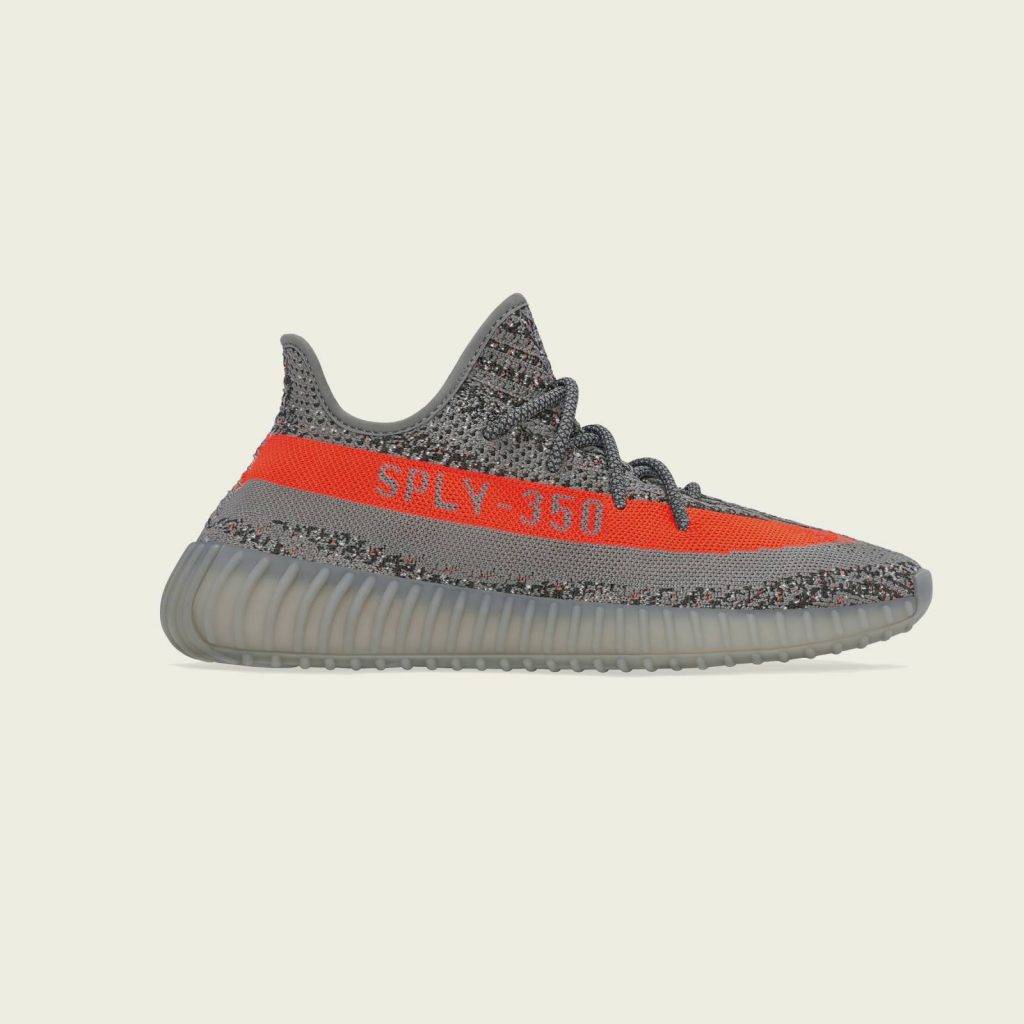
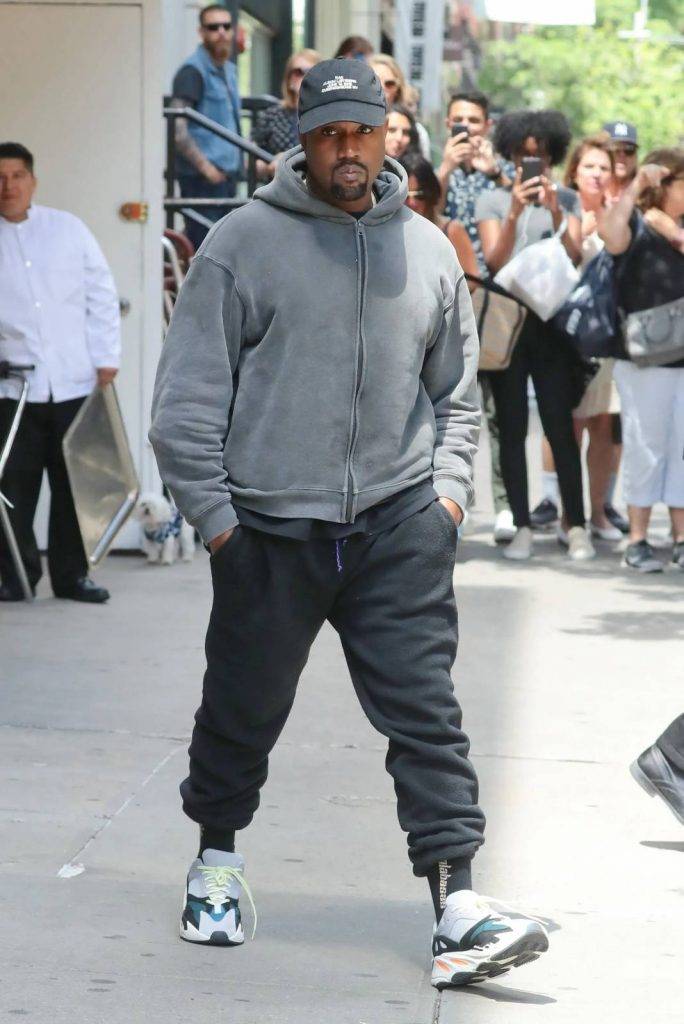

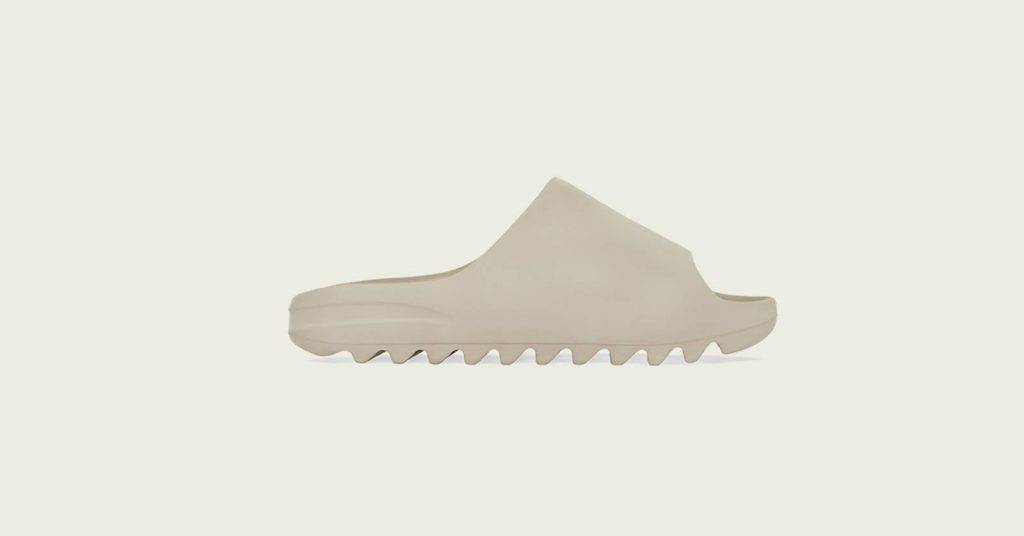
At the same time, Adidas has instructed to dispose of excess Yeezy inventory, which will initially be sold without labels. It may choose to destroy the merchandise, said Adidas’ new chief executive, Bjorn Gulden.
Gulden recently spoke about the brand’s difficult position sitting on $1.3 billion in unsold Yeezy products after ending its partnership with West in October due to anti-Semitic rhetoric. Adidas said the severance would be worth €250 million.
“The value of the product is not the physical value of the material. It is the brand and the merchandise that is sold at a high price,” said Gulden.
Adopting Adidas’s collaboration strategy is part of fixing a variety of lifestyles that have stopped, which is highly dependent on collaboration, he said. The focus on big names and long-term collaborations will continue after working with brands like Gucci, Balenciaga and Prada, which do not resonate with consumers.
“Should we irrevocably decide not to reuse existing Yeezy products, this would impact our existing Yeezy inventory and reduce our operating profit by an additional €500 million. [in 2023]”said Adidas in its 2022 annual report.
Yeezy’s dilemma speaks to the amount of social capital associated with these collaborations. What a celebrity does is just as important as what it means to wear a pair of Yeezys, if not more so. Collaborations do not have a trivial taste, only one thing – they flood the retail market and resell.
But if a collaboration is only as valuable as an artist’s reputation, then the downfall of the collaboration is attributed to the enduring partnership rather than the fleeting quality?
The crash of collaboration
By wearing products with that name, celebrities are also pushing their collaborations into the democratized space of luxury. Like sports, democratized luxury is broad, and sells more expensive products that may not change the consumer’s life but are a sign of status.
Some collaborations reflect an affinity with artistic sensibilities but others lack the same social capital. Yeezy Boosts were well-liked, at a reasonable price, before Adidas flooded the market with millions of pairs in 2018. If you were seen wearing a pair of Yeezy Boosts in 2016, it means you know avant-garde design and have a lot of them. money to throw on sneakers. Now, Yeezy consumers and manufacturers want nothing more.
As the American economist Thorstein Veblen said in his 1899 treatise The Theory of the Leisure Class, spending has become a way for people to establish their position in an affluent society.
Luxury as we know it today has changed. The luxurious lifestyle is rooted in the royal courts of old Europe, (think Louis XIV), which set the standard for luxurious living. Today’s version of royalty is a celebrity whose lavish lifestyle is documented with aspirations and sets the tone for what consumers think is desirable enough to buy.
If a celebrity collaborates with a brand that everyday consumers can buy, it gives the illusion that they can have a rich lifestyle.
The obvious metrics to measure collaboration success are sales and media impressions but what lies at the intersection of consumer personal indulgence and conspicuous consumption? At the core of the luxury collaboration is the convergence of the collaborators’ individual histories with their reality.
Fenty failed
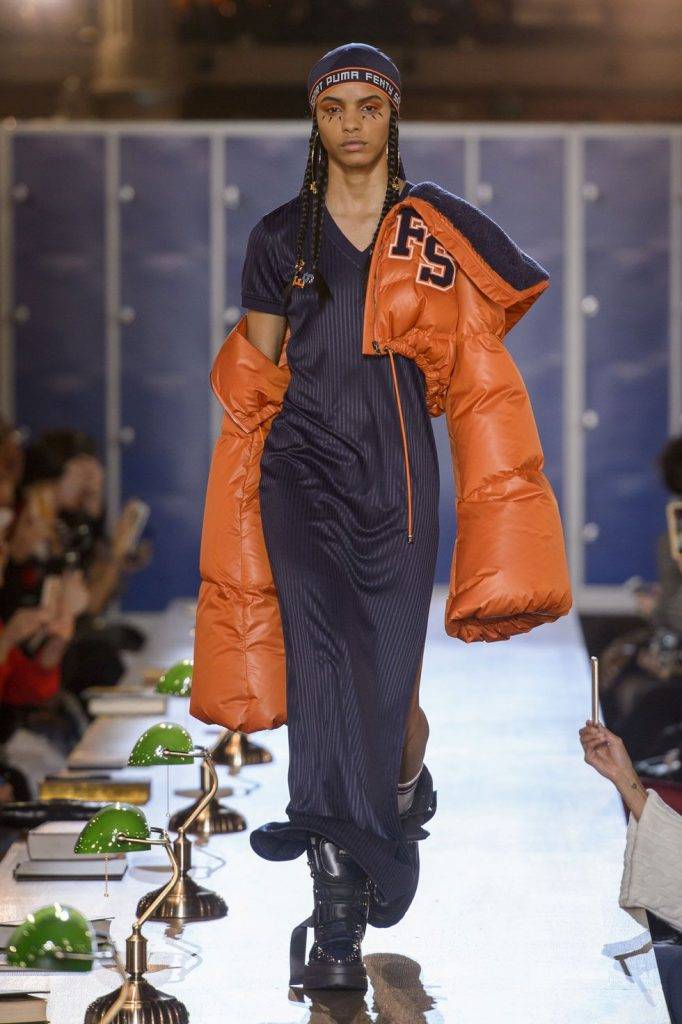
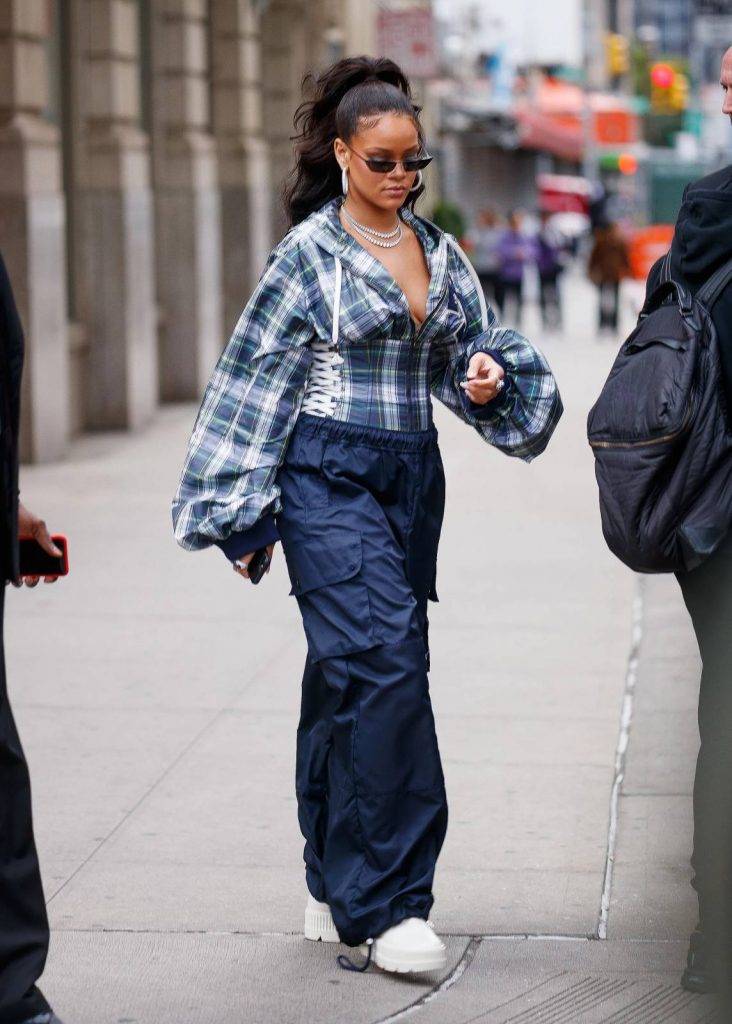
Although fans are excited to announce another Puma-Fenty collaboration this year, Rihanna, like some of her fellow billionaires, is not immune to failed collaboration projects. Remember when LVMH collaborated with him on the Fenty fashion label in 2019?
“The new maison, named Fenty, is centered on Rihanna, developed by her, and appears with a vision of ready-to-wear, shoes and accessories, including commercials and brand communication,” said LVMH, announcing the partnership.
But, he said Everyday Women’s Clothing in 2021: “Rihanna and LVMH have made a joint decision to suspend their ready-to-wear activities, based in Europe, pending better conditions.”
The pause is credited to factors such as the Covid-19 pandemic and a shift in focus on Rihanna’s main cash cow, Fenty Beauty, also owned by LVMH, and the Savage x Fenty lingerie line. But these projects are more about the demographics of Rihanna’s fan base who expect a product close to Rihanna based on inclusivity, accessibility and democratic luxury.
It’s no surprise that LVMH would create a fashion label that boasts Rihanna, who is famous for her style, ties to other LVMH designers and helps revitalize Puma’s lifestyle offerings. However, if there is one thing that has changed in luxury fashion in the last 30 years, it is a single-minded focus on profit, thanks to LVMH chief executive Bernard Arnault.
Luxury tycoons such as Arnault have shifted their focus from what the product represents: wealth, status and power.
“The result of all this hype [that] The product line, Arnault said, fulfills the fantasy. It’s new and unique you want to buy. You feel as if you have to buy, actually, or you won’t be in the moment, you’ll be left behind,” writes Dana Thomas in Deluxe: How Luxury Lost its Luster.
But Rihanna’s previous projects and collaborations distinguish the exclusive nature of luxury, which invites consumers to buy this fantasy. But Fenty Beauty, Savage x Fenty and Puma x Fenty speak to the fact that not all consumers can afford a $940 Fenty denim jacket, unwearable Victoria’s Secret lingerie or $1,000 Yeezy sneakers.
The luxury fashion house that failed to show Rihanna may have great style and a credible image but she is a business figure, not a designer. Collaborative campaigns may make stars in the eyes of consumers, but Beyoncé isn’t sitting on the Ivy Park sewing bench. Neither West nor Rihanna sit down with shoemakers who make the latest sneakers.
What does it say about the power of influence, if it is not a fantasy that you too, for a moment in your day, can live as if your life is approved by your favorite billionaire?