
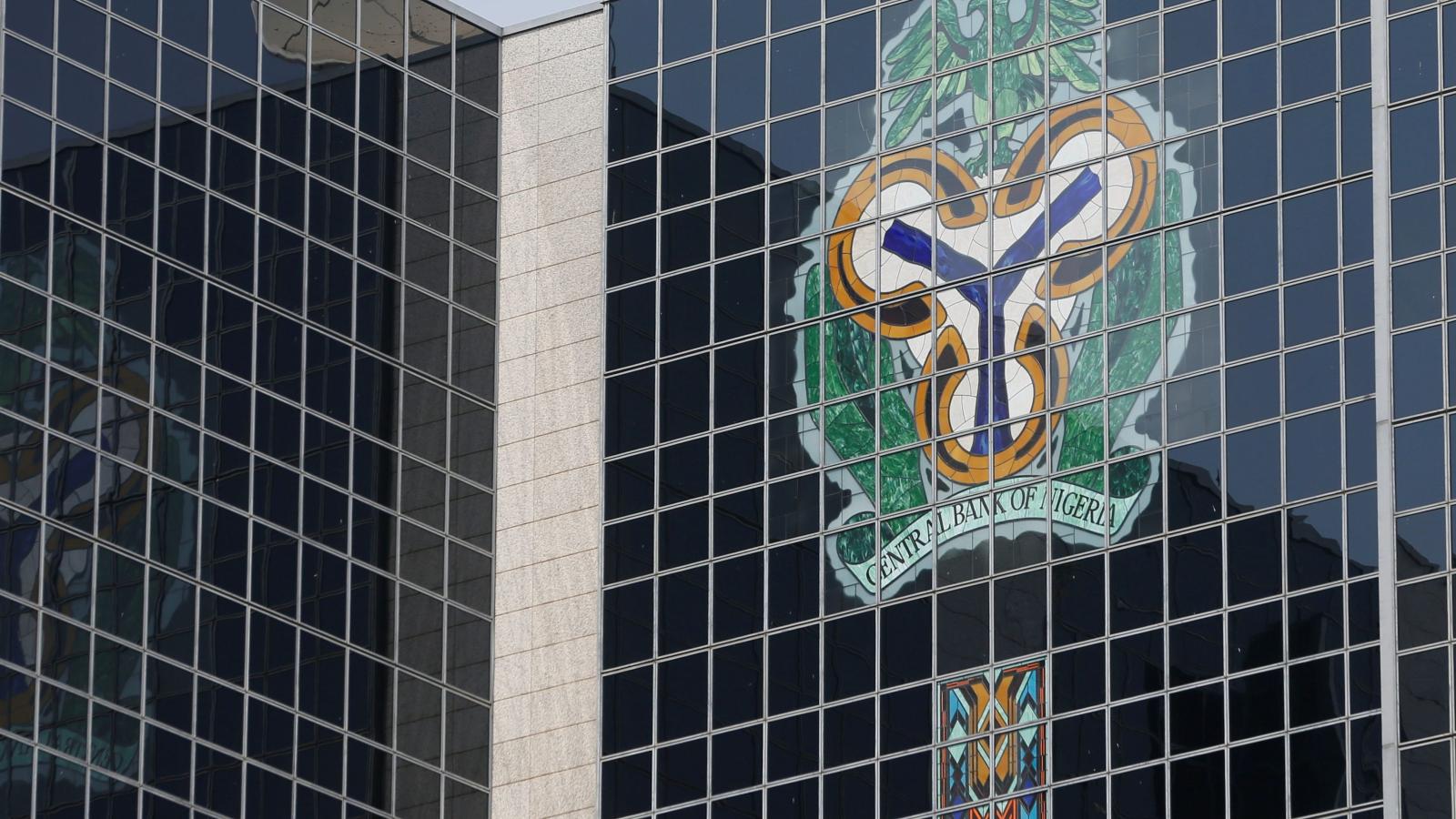
So why is the CBN Monetary Policy Committee going through the motions of routinely playing orphaned instruments? As a performance art, maybe. Something that should be done with the same enthusiasm as others in the profession – in the hope that one day, diligently imitating central banks in advanced economies (even if we don’t get the “Why?”), they can get an access card to one a global event that emphasizes him as a central bank: the Jackson Hole Economic Symposium…
The Central Bank of Nigeria (CBN), last week, raised its benchmark interest rate by 100 basis points to bring the monetary policy rate (MPR) to 17.5%. This is the fifth time in a back-to-back meeting of the policy committee (Monetary Policy Committee — MPC) if the central bank has set the rate. As with most other economies around the world that are seeing central bank rate hikes, the problem is inflation. Until December last year, the country’s headline inflation, calculated on an annual basis, had risen for 11 consecutive months. Although lower than the 21.47% printed in November, 21.34% of prices included in the National Bureau of Statistics “12 Classification of Individual Consumption Functions with Objectives (COICOP) and the level of all items” rose, very high.
In line with the policy consensus around the world (Turkey is the most glaring exception to this trend), the Central Bank of Nigeria has sought to curb price increases by aggressively raising benchmark rates. Usually, this mechanism works in a simple way. The so-called “domestic money banks” (commercial banks) lend to the market — businesses and individuals. And to do this, sometimes it is necessary to borrow money from the central bank. The rate at which the central bank lends to commercial banks should usually describe the floor price of money in any economy. To achieve its mandate of price stability, the central bank sets rates to combat inflation, and vice versa. Higher rates drive up borrowing costs, and deposit yields, effectively reducing business investment and consumer spending.
This is one of the reasons why concerns around the world, after the aggressive measures of monetary tightening by the central banks of the West (mainly the US Federal Reserve), have experienced a recession that many analysts believe. But to the credit of the CBN, it seems to have been able to balance this trade between tightening monetary conditions and decelerating economic activity. Importantly, the CBN has raised the benchmark rate aggressively, without threatening business investment or consumer spending.
The economy may not contract as a result. Also inflation will decrease. Unsurprisingly, while over the last 10 months, the central bank’s benchmark rate has risen by 6% annually, the headline inflation rate has only fallen by 0.13% to 21.34% in December.
With a marginal effect on lending or deposit levels, the CBN’s aggressive tightening of monetary policy levels does not mean a tightening of monetary conditions. Loan rates have not gone up. It has no deposit rate. This Goldilocks result is seen in real market rates below the annual headline inflation rate and the CBN benchmark rate. For example, the coupon on a 40-year bond is 9.00%. The one year treasury bill rate is 13.00%. And the savings deposit rate, which is set by the regulator to be no more than 30% of the Monetary Policy Rate (MPR), is 5.25%. With inflation everywhere, investors who hold these instruments without being forced to, intentionally destroy their value.
The economy may not contract as a result. Also inflation will decrease. Unsurprisingly, while over the last 10 months, the central bank’s benchmark rate has risen by 6% annually, the headline inflation rate has only fallen by 0.13% to 21.34% in December.
So why is the CBN Monetary Policy Committee going through the motions of routinely playing orphaned instruments? As a performance art, maybe. Something to participate in as passionately as others in other professions — in the hope that one day, by diligently imitating central banks in advanced economies (even if we don’t get “Why?”), they can get an access card to the global event that confirms them as a central bank: Jackson Hole Economic. Symposium, an annual three-day international conference organized by the Federal Reserve Bank of Kansas City in Jackson Hole, Wyoming.
If the transparency of the process and the information available from the regulator is the key to a properly functioning market, should we consider the level of basic market sophistication? Apparently not. For the domestic market does not seem to expect more from the central bank from now dishes out.
Or better, it’s just a very common natural signposting. Moreover, in this case, we are confused about why, or how to demarche the policy. Are the effects of central bank interest rate hikes largely symbolic? Around the world, central banks have made a song and dance of communication and forward guidance central to the effectiveness of policy-making: regularly informing markets of their thought processes and policy objectives. Ensure that there are no unwanted shocks in the market, or information asymmetry between financial market participants.
If the transparency of the process and the information available from the regulator is the key to a properly functioning market, should we consider the level of basic market sophistication? Apparently not. For the domestic market does not seem to expect more from the central bank from now dishes out.

Uddin Ifeanyi, a manqué journalist and retired civil servant, can be contacted @IfeanyiUddin.
Support the integrity and credibility of PREMIUM TIMES journalism
Good journalism costs a lot of money. But only good journalism can guarantee the possibility of a good society, responsible democracy, and transparent government.
For continued free access to the best investigative journalism in the country, we ask that you consider making a modest contribution to this noble effort.
By contributing to PREMIUM TIMES, you help keep journalism relevant and ensure it remains free and available to all.
contribute
AD TEXT: Call Willie – +2348098788999