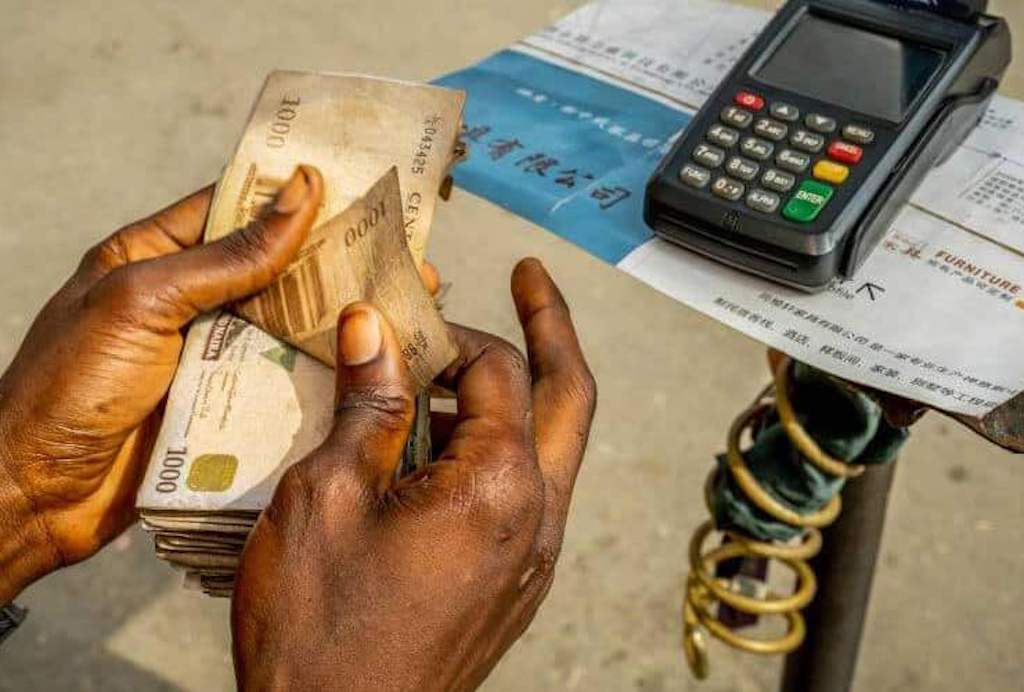
Whatever obstacles the country is currently facing, let us see it as a sacrifice and a price we have to pay to save our land from the hands of predators. We have fought those battles and won them, no matter how small our victories may have been. indeed, the pressurebut we are Nigerians – no matter the pressure, we move!
Sufie stood in the hot sun in Sabon Gari; his hands were sticking out like a statue. He had no energy to speak and his legs were failing him. But he had found himself in the middle of others, some on the floor and others walking after each passing vehicle – each to his own problem. The energy was finally saved for him to stand as far as he could and he stretched his small arms as far as he could. He had just returned from being nearby open, where they usually take customers’ leftovers, however by the way, there were no customers this time, so he had to face it. Sufie is one of the many beggars but business is not as usual. He has learned new English words, no cash, from everyone asking for money. That’s more like a bad omen. They all spoke as they walked slowly past him. From his behavior and character, sometimes he thinks that his troubles are more than he is. No one puts a new ten naira note into a beggar’s plate, an obligation that is usually done after receiving instructions from a spiritual guardian to give a beggar a N10 ten note or do something similar. Standing thin, Sufie has not eaten for two days and there is no hope of food. No Cash! Beggars suffer more!
Babagana, a sugarcane cart driver, looks helpless as his eight-year-old son asks for money for daily school meals. He looked up at the sky and wished this wasn’t the truth. A few months ago, he could confidently boast of the naira notes stacked neatly beneath him Ghana must go bag. Not too far away in different communities, Mama Sade, a small-scale retailer, is also counting losses as tomatoes disappear without patronage. His business no longer has any prospects. Emefiele’s saga has caught up with him. Mom doesn’t collect transfers! The pressure was increasing.
On October 26, 2022, the CBN Governor, Godwin Emefiele, announced that the naira notes would be redesigned, with the Nigerian government claiming it would be a good effort to cancel the more than N3.23 trillion in circulation. The apex bank said one of the reasons for adopting this policy is the fact that about 85% of naira notes are in circulation, outside banks in the country. Well, every society must find a way to strengthen the economy and move to a cashless policy as the right effort to revitalize the economy; However, the challenge lies in the appropriateness of the implementation of the policy and its impact on the people. The welfare and interests of the people must be considered first in all policy making processes. All enforcement procedures should be carried out carefully in the best possible way, so as to cause minimal impact on the public.
To this day, Nigerians are still wondering, “why the urgency?” If the aim is to prevent electoral malpractice, then why start the process months before the election? Without considering the gimmicks and jokes about the “colored” naira notes that have been taken too far, the general consensus on the street is that (1) the government and others will come up with new policies to ensure success at the polls; (2) there is sabotage aimed at political parties and aspirants in the upcoming elections; and (3) there is a massive embezzlement plan by the outgoing government; among others this and that. While this is largely unfounded, given the circumstances, probabilities, and immediate effects of the policy, many are unable to make arguments that would challenge the assumptions down the road. But the question I would like to ask is, why the pressure
One does not need to be an economist to understand this; so CBN, why the pressure? After taking the money out of the individual’s hands, what alternatives do they provide? Mobile banking? Reliance on Point of Sales Machine (POS)? We just playing. Many villages and even in urban areas are still fighting for internet access.
I have not qualified the approach of the Central Bank in implementing the policy as unnecessary pressure, but the public reaction and consequences have shown this no doubt. The Nigerian transactional atmosphere is mainly in the use and exchange of naira notes, as many small commercial activities are almost impossible to do with the cashless policy. According to the Findex Global Report 2021, Nigeria is one of the seven countries that are major contributors to the number of unbanked citizens worldwide, as it ranks third among others. Forty percent of Nigerians are unbanked, a total of about 59 million adults out of the total population. Most of these individuals are women and about 73% of all do not have the necessary documents to open a bank account. Far out into the villages, where there are hardly any banks within a two-hour drive, you won’t be surprised to find that the policy is more like an expression of distress. By 2022, Nigeria will be the fifth country in the world with low banking penetration. This means that there are Chioma somewhere in the South-East who do not have bank accounts, do not have access to banks, and are being cut off from that order now. While the policy is allowed to be implemented slowly, the top bank can double it to ensure access to banking and financial services.
The implementation of a non-cash policy in any society should be a slow but steady process so that society can adapt, and not an aggressive withdrawal of money and pressure from circulation. No matter how the cashless policy is implemented, it is impossible to go completely cashless. One does not need to be an economist to understand this; so CBN, why the pressure? After taking the money out of the individual’s hands, what alternatives do they provide? Mobile banking? Reliance on Point of Sales Machine (POS)? We just playing. Many villages and even in urban areas are still fighting for internet access. By December 2022, just over 108 million Nigerians have access to the internet and are using it – 77% of Nigerians in rural areas and 36% in urban areas do not have access to or use the internet. This means that there is a large margin that will be able to use some of the alternatives that are available to people. However, the data projections are quite low because, by 2027, only 60% will have access to the internet.
Coupled with the massive emigration of technologists in the banking sector, the financial technology aspect of the Nigerian banking sector has proven to be unreliable. You can wait a few minutes or even hours before the funds are transferred, the money can be returned, or you cannot use the USSD code of the banks. The same problem occurs when using a debit card at a POS point. POS operators, due to difficulties in obtaining cash, now charge high rates for cash withdrawals. These rates are currently in the 15 to 30% range, and you’ll be shouting 21 Hallelujahs if you’re lucky enough to be able to use them. How do common men and women survive? Is it reasonable to charge a POS fee of N1,500 per withdrawal of N5,000? What is the point of transferring N200 to buy tomatoes from Mama Sade when the bank charges are so high and she cannot go into the bank to withdraw the money over the counter or through her ATM card? Are beggars now using POS to collect money from “customers”? How do you expect Sufie, Babagana and her family, and Mama Sade to survive the aggressive enforcement of the non-cash policy if the initial problems are not resolved first? It is important that the CBN understands that there is no need for pressure; short-term and long-term plans to ensure that implementation is only good for everyone.

In the face of all this, I urge Nigerians to take it easy on themselves. They should resist the temptation to commit violence but try their best to explore alternatives until the wind settles. A community approach is needed to solve some of these problems, especially in rural areas. It’s time for the people to take responsibility from the grassroots.
Amid this naira imbroglio, fuel is still scarce and pump prices remain high, adding to the misery residents have been facing. Considering these challenges, the rising cost of commodities, insecurity, and all other forms of torture that people are subjected to, you will understand that the pressure! In response, residents have taken to the streets in more violent ways. The system does not select them, it is expensive; they find a way to work and earn something, only to be denied access to hard-earned money. It’s funny and disturbing, and many of the reactions are understandable even if unacceptable. Burning banks that don’t make money won’t help. Causing violence is a further investment in difficulties, and the danger of the lives of Nigerians in the banking sector is a case of the oppressed oppressing the oppressed. Well, there is a limit to the guidelines and directives you can give the hungry, so I just ask you to think before you jump.
Moreover, it seems that the government has no idea what it is doing and what approach it should take. The nation is confused about who to follow in the power struggle. In a judgment, the Supreme Court has ordered the reversal of the policy. Many governors disagreed, others gave their own directives, and some institutions expressed different opinions. The National Council has its own position, while the CBN governor is the other way around. The president has found another place, and the First Lady has confirmed, denied, and reconfirmed at times. It seems the country is on autopilot to the abyss. This is an important time. Nigerians decide on leadership and many things are still going on.
In the face of all this, I urge Nigerians to take it easy on themselves. They should resist the temptation to commit violence but try their best to explore alternatives until the wind settles. A community approach is needed to solve some of these problems, especially in rural areas. It’s time for the people to take responsibility from the grassroots. Most importantly, the people should not let these matters stand in the way of participating in deciding the nation’s leadership at all levels before, during, and after the Elections. This should be a wake-up call to the fact that 2023 is not the year for compromise. Whatever obstacles the country is currently facing, let us see it as a sacrifice and a price we have to pay to save our land from the hands of predators. We have fought this battle and won it, no matter how small our victory may have been. indeed, the pressurebut we are Nigerians – no matter the pressure, we move!
Toyin Falola, professor of History, University Distinguished Teaching Professor, and Jacob and Frances Sanger Mossiker Chair in Humanities at the University of Texas at Austin, is Bobapitan Ibadanland.
**This message was written before the February 25 election and during the crisis of petrol shortage and naira looting.
Support journalism integrity and credibility PREMIUM TIMES
Good journalism costs a lot of money. But only good journalism can guarantee the possibility of a good society, responsible democracy, and transparent government.
For continued free access to the best investigative journalism in the country, we ask that you consider making a modest contribution to this noble effort.
By contributing to PREMIUM TIMES, you help keep journalism relevant and ensure it remains free and available to all.
contribute
AD TEXT: Call Willie – +2348098788999