
Despite controlling only four of the 19 states in northern Nigeria, the Peoples Democratic Party (PDP) pulled off a major upset in the February 25 presidential election, winning more states than the flag bearer All Progressives Congress (APC). Tinubu ballin the area.
Mr. Tinubu polled 8,794,726 votes to be declared president-elect, ahead of Atiku Abubakar of the PDP who polled 6,984,520, Peter Obi of the Labor Party (LP) who polled 6,101,533 and Rabiu Kwankwaso of the New Nigerian People’s Party (NNPP) who count. 1,496,687 votes.
However, the ruling party performed below expectations in the North, which is considered a stronghold.
Although Mr. Tinubu scored the required 25 percent in almost all the states, his performance, especially in the North-west region, was disappointing. He could only win Jigawa and Zamfara states, lose Kano to Mr. Kwankwaso and Kaduna, Katsina, Kebbi and Sokoto states to Atiku.
In the northeast, Atiku won Adamawa, Bauchi, Yobe, Gombe and Taraba while Mr. Tinubu won only Borno State.
In the north-central, Mr. Tinubu won Benue, Kwara, Kogi and Niger states while Mr. Obi captured Plateau and Nasarawa states.
![APC presidential candidate, Bola Ahmed Tinubu. [PHOTO: @OfficialAPCNg]](https://media.premiumtimesng.com/wp-content/files/2023/02/Fp4n3y3WAAgnjYP-e1677418800462.jpg)
Statistically, the president-elect did not, like Mr. Buhari, secure overwhelming victories in the states he won in the region. In Zamfara State it got 59 percent, Borno got 54 percent, Kwara got 56 percent, Kogi got 53 percent, Benue got 40 percent, Jigawa got 46 percent and 48. percent in Niger State.
The results of the presidential election from Northern Nigeria came as a surprise to many political observers as the APC won overwhelmingly in the last two general elections in the region. In the 2015 presidential poll, APC got 12,228,491 while PDP got 3,560,620 votes in 19 northern states. In 2019, the ruling party polled 11,448,806 votes while the PDP got 5,299,594 votes in the northern state. In the 2023 elections, APC also won more votes than APC despite winning in fewer states. The ruling party got a total of 5,507,784 votes while the PDP got 5,159,541 votes.

Ethnic sentiments
Ethnic sentiment plays an important role in determining who wins the region. To be fair to Nigerians in the north, they gave Mr. Tinubu enough votes to get the requisite 25 percent in most states in the region. But they also lined up behind their “sons” who they believed would do more for the region than the southerners.
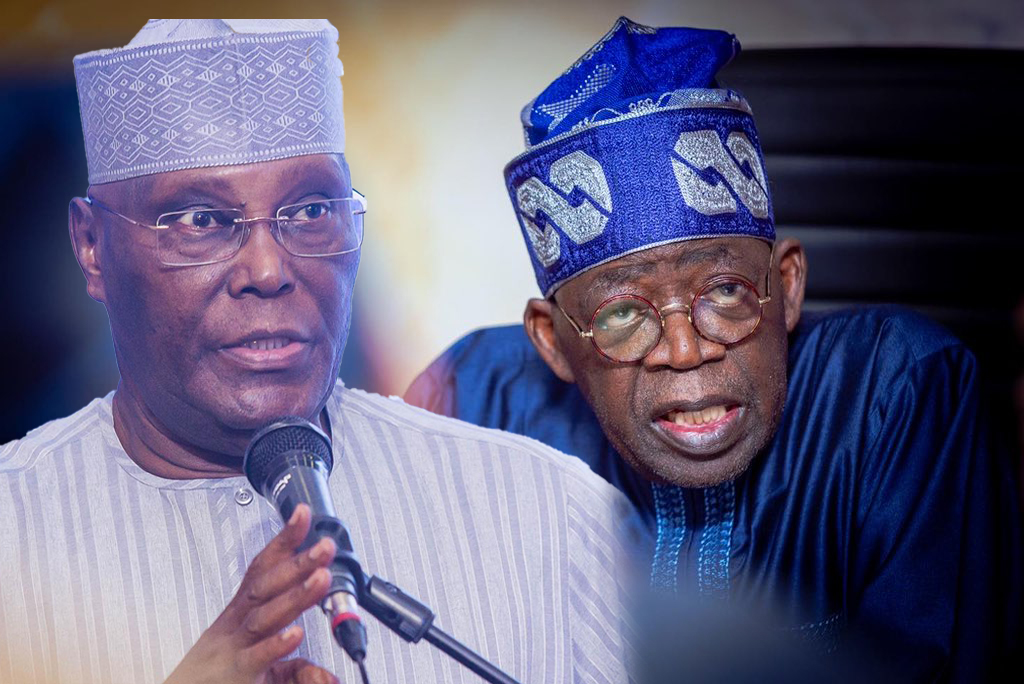
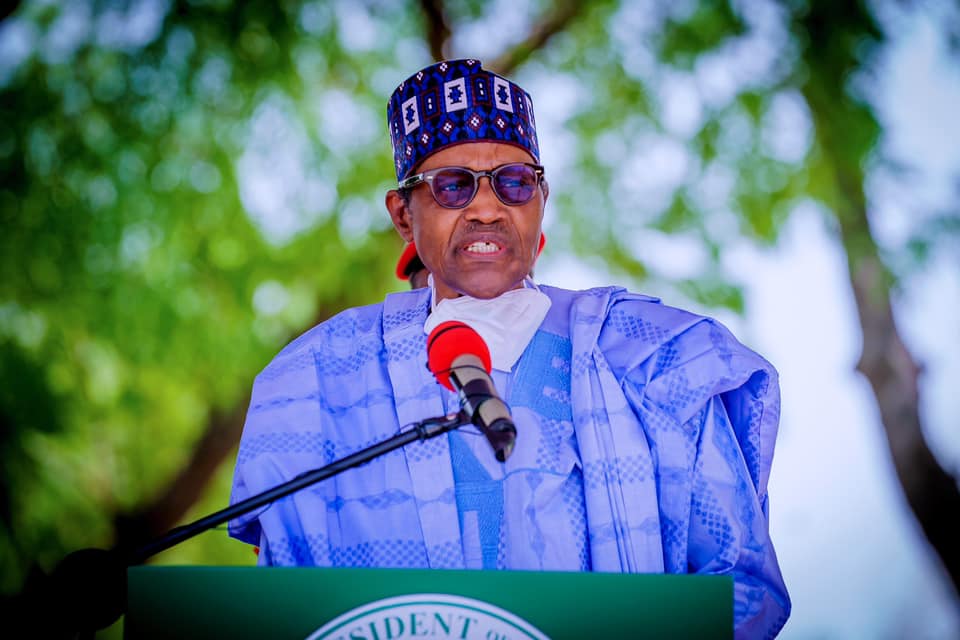
Also, Atiku contested as the strongest northerner (ahead of Mr. Kwankwaso) in the election. In the absence of President Muhammadu Buhari (who has a cult following in the North), who has participated in every presidential election since 2003, many northerners vote for the person they consider the next strongest contestant from the region.
In the build-up to the Elections, the group, Na Ka Sai Naka, loosely translated as “Yourself is your own,” campaigned vigorously in the North for Atiku, asking people to vote “yourself”.
Even Atiku plays on the sentiment.
READ ALSO: State of the Race: Kaduna gaffe adds to Atiku’s misery
“What the average Northerner needs is someone who is from the North and also knows that part of the country and has been able to build bridges across the country. This is what Northerners need, no need for Yoruba or Igbo candidates, I stand before you as a pan -Nigeria is from the north,” he said during a meeting with some northern leaders.
The only state Atiku has lost in the northeast is Borno. His strong grip on the sub-region suggests that residents of the region have decided to throw their weight behind their “son” rather than their number two: the APC vice president-elect, Kashim Shettima.
Yobe had voted for APC in the previous election. But what is clear is that citizens decide to support anyone from their region, especially with the belief that it is time for the region to produce a democratically elected president.


Open borders and the economy
Atiku’s style of campaigning has no doubt helped him gain ground where APC continues to thrive. In most of the northern states he visited for campaigning, Atiku used the issue at hand to campaign for himself.
“If you see how smart Atiku is during his campaign in the north, you will agree with me that the countries where he promises to open borders, revive the economy and help fight insecurity, will definitely help him,” AbdulRahman Jani, a politician. reporter in Katsina State, said.
Mr. Buhari has closed land borders in the country to help revive the local economy and fight transborder crime. But the local economy is suffering as a result of these measures.
In Yobe, Katsina and Kebbi states, Atiku promised to reopen the borders.
According to him, reopening the border will boost trade and investment between Nigeria and neighboring countries.
“I promised to open the borders that have been closed. I know more about border issues than all the other presidential candidates,” he said, referring to his career as a customs officer.
In Kaduna, Kano and Zamfara states, he promised to revive the economy and rebuild the moribund manufacturing industry just as he promised to address insecurity in most of the northern states.
“Remember that Bola Tinubu and his campaign council even went to Abuja to ask people not to vote for a candidate who will reopen the border. It gave Mr. Atiku an edge over Tinubu here in the North,” said Mr. Jani.
Banditry and insecurity
Judging by the election results, northerners have more confidence in Atiku’s ability to overcome insecurity in the region. Of the six states most affected by banditry, Atiku won four – Katsina, Kaduna, Sokoto, and Kebbi – while Mr. Tinubu won Niger and Zamfara. Even in Zamfara where he won, Mr. Tinubu lost in local governments like Bungudu and Gusau.
In Katsina State, for example, all local government areas (except two – Danmusa and Faskari) witnessed the insecurity of voting for Atiku. Batsari, Kurfi, Dutsin Ma, Bakori, Kankara, Batagarawa, Jibia and Safana all went to the former vice president with some of them recording a margin of more than 8,000 between the two.

“I am not surprised by the result,” political analyst, Saifullahi Kuraye, told PREMIUM TIMES. “When you see the results, you know that these people (vulnerable communities) are very angry with the APC. During the campaign, no bandit attack happened. So, many feel that the government can solve this insecurity problem. Unlike my heart Abubakar is more good.But you know APC has been in power for eight years and bandits are still killing people.People in the area feel that a new leader from another party can do the magic.
In Kaduna State, the troubled areas were all won by Atiku except for Birnin Gwari. Atiku wins in Kauru, Giwa, Lere, Kubau, Soba, Kudan and Igabi.
APC members are miserable
In some states where Atiku won, some top members of the APC launched campaigns for him. In Katsina State, two commissioners, two permanent secretaries, and several top special advisers were sacked for allegedly working for the PDP. Some permanent secretaries and commissioners have also been sent back to ministries and offices deemed “dead zones” for similar reasons.
Decamping is widespread
Another factor that helped Atiku fight the APC presidential candidate in Northern Nigeria was the defection of top politicians from the APC to the PDP immediately after the primary election last year. While some left for the NNPP, most joined the PDP.
Many people were surprised that Atiku won Katsina, President Buhari’s home state. But the APC state chapter has witnessed several setbacks since the governorship, national and state house of assembly primaries.
![President-elect Bola Ahmed Tinubu and President Muhammadu Buhari. [PHOTO CREDIT: Tinubu's Facebook page]](https://media.premiumtimesng.com/wp-content/files/2023/03/332759338_583844416950460_6657511748469679307_n.jpg)
Mustapha Inuwa, former Secretary to the State Government; the senator representing Katsina North district, Ahmad Babba-Kaita; Members of the DPR, Hamza Dalhatu, Salisu Iro, Ahmad Dayyabu; as well as other top politicians in the party joined the PDP.
In Sokoto, some top APC members joined the PDP. Those who switched sides include the former minister of transportation, Yusuf Sulaiman; member representing Gudu/Tangaza, Yusuf Kurdula; former Minister of Culture, Bello Jibrin and member of parliament representing Gwadabawa/Illela, Abdullahi Salame.

In Kebbi, two senators, Adamu Aliero and Yahaya Abdullahi left APC for PDP and vowed to deliver the state to Atiku. He was quickly followed by several members of the DPR and members of the state House of Representatives.
In Kaduna, rival factions within the party were brought together through the efforts of the former vice president, Namadi Sambo, and former governors Ahmad Makarfi and Ramalan Yero, which made the opposition largely united ahead of the election.

Also, some Southern Kaduna politicians, who feel threatened by the APC Muslim-Muslim ticket in the presidential and governorship elections, decamp and pitch their tents with Atiku or Peter Obi of the Labor Party.
Despite disagreements between the governor of Bauchi State, Bala Mohammed, and some top brass of the party, they are all working for Atiku. In fact, the disagreement is largely due to the support of the former vice president from each group trying to outshine the other in giving support to Atiku. Bauchi, which is known to be one of the most supportive states for President Buhari, was also won by the PDP.
Support journalism integrity and credibility PREMIUM TIMES
Good journalism costs a lot of money. But only good journalism can guarantee the possibility of a good society, responsible democracy, and transparent government.
For continued free access to the best investigative journalism in the country, we ask that you consider making a modest contribution to this noble effort.
By contributing to PREMIUM TIMES, you help keep journalism relevant and ensure it remains free and available to all.
contribute
AD TEXT: Call Willie – +2348098788999
