
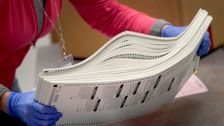
PHOENIX (AP) – Problems with ballot printers that caused lines to back up at some Phoenix-area polling places last year were not caused by malicious acts but by changes to the paper, a retired Arizona Supreme Court justice concluded in a report released Friday.
County officials are using longer ballots on thicker paper than they used before, a change made in response to baseless conspiracy theories, but one that pushes printers to the edge of their capabilities, former Justice Ruth McGregor wrote.
He added that the pre-election tests may not have caught the problem because the tests did not replicate the stress experienced by printers on Election Day.
“Nothing we learned in our interviews or document review gave any clear indication that these problems should have been anticipated,” McGregor wrote.
McGregor’s findings show the challenges that election officials face when responding to concerns raised by election detractors with changes that bring unintended consequences that increase doubt among voters who are skeptical about election procedures.
Clint Hickman, the Republican chairman of the board of supervisors, said the board was “making changes to best serve voters, starting with replacing some equipment.”
Republican Kari Lake, who lost the race for governor, along with GOP candidates for attorney general and secretary of state have pointed to printer problems as the reason for the losses. Lake’s campaign Twitter account called McGregor’s report a “joke”.
McGregor’s team printed and counted 9,100 ballots, which concluded the problem could be traced to a part known as the fuser in the Oki B432 printer, one of two models used at the election center.
For some printers, the fuser fails to consistently maintain the proper temperature for the toner to bond to the paper, resulting in ballots that cannot be read by precinct-based tabulators. On Election Day, thousands of ballots from problematic printers were counted by more sophisticated scanners at county election headquarters in downtown Phoenix. Officials said all voters had a chance to vote and all valid ballots were counted.
McGregor, who was appointed to the state’s high court by former Republican Gov. Jane Hull, said the issue is more apparent because of two changes to the 2022 general election.
The length of the ballot was increased from 19 inches to 20 to accommodate more than 70 contests. And the thickness of the paper increased after some voters in 2020 complained that the Sharpie-brand markers used at the polls caused ink to bleed from one side of the paper to the other. The issue does not affect the ballot count, but claims that evidence of fraud were spread among supporters of former President Donald Trump, who narrowly lost in Arizona this year.
In the McGregor test, thicker paper led to a higher failure rate, and adding extra inches to the length of the ballot compounded the problem.
McGregor suggested some potential fixes for future elections, such as eliminating Oki’s printers or trying more aggressively to find troublemakers. He said the thicker paper and precinct-based tabulation increased the level of problems. About half of Arizona’s counties count all their ballots at a central location.
“You can rest assured that our board will take the necessary steps to ensure private voters have the experience they deserve in 2024,” Jack Sellers, the Republican county supervisor, said in a statement.