
The controversy surrounding the decision by the Central Bank of Nigeria (CBN) to redesign the country’s paper money began in October last year when the governor of the bank announced it. There are questions about the appropriateness of the redesign before any serious conversation about currency reform. With the N200 and N500 notes worth less than US$1, doesn’t it make sense to put them out as coins? Because of the speed with which the currency circulates in the economy, it prefers, as a coin, better than as a note. The question of the perceived reluctance to hold the coin led to further reform challenges.
By lending almost US$ 50 billion to the Federal Government without holding any collateral, the Central Bank is not only caught in illegality, but also draws a thick line in the question of what is appropriate for the purpose. However, reconciling the Bank’s price stability mandate with actions that clearly help push domestic prices up, is just one of several significant issues. The economics of paper money swaps before general elections are always ingenious. By reducing demand, the swap will certainly hurt domestic production growth during and in the previous month. And that’s before you add the challenges people face on the way to completing online transactions. What is more questionable is the economics of circulating currency as an anti-inflationary tool.
With more than two weeks until the deadline to replace old banknotes with new ones, the economy is struggling: the new banknotes remain collectors’ items; and banks’ automatic teller machines (ATMs) continue to dispense old notes. CBN’s contortions have not helped. It reverses itself in the amount of cash that customers of banks can now withdraw right over the counter. After instructing banks to supply the new notes through ATMs from January 9 and only in N200 denominations, last week he ordered them to do so immediately, and in paper money. However, it took the original equipment manufacturer several weeks to reconfigure the ATMs to dispense the new notes.
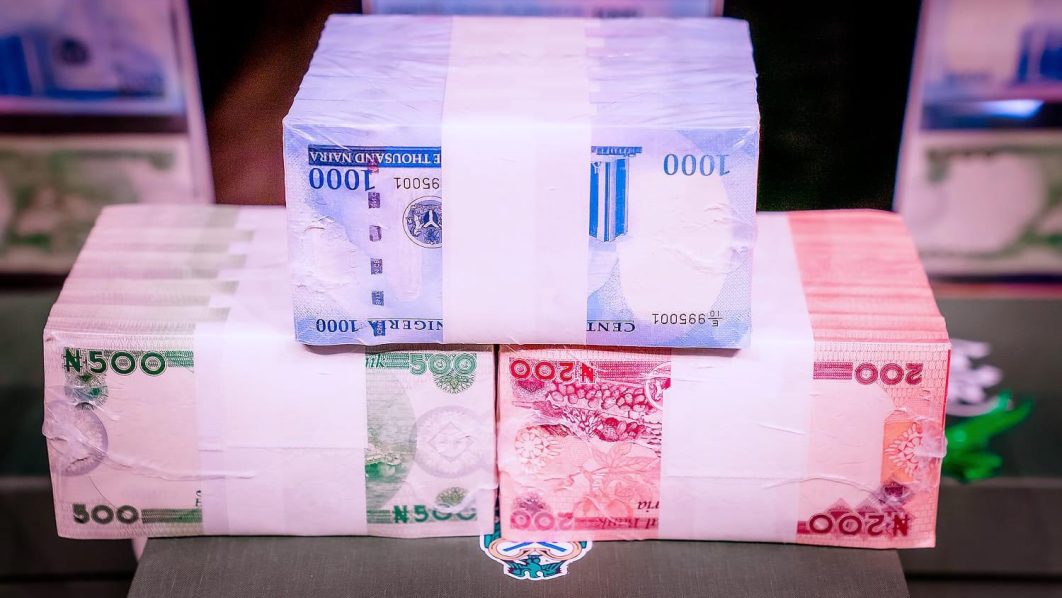
If the Central Bank is not aware of these technical obstacles it will be a surprise. That continues to publish these instructions for banks to make new notes available, even when it is not possible to meet the needs of banks’, bordering on irresponsibility. However, the policy was doomed. Nigerian Security Printing and Minting Plc. have struggled with the task of replacing defaced and/or mutilated currency. There is no way they will generate N3 trillion paper money in one year. That the CBN sought to optimize this constraint by implementing unorthodox monetary policy measures designed to combat inflation is instructive, and can persuade the president, moreover.
How does this affect local businesses based on cash and the markets they operate in? Without moving the January 31 deadline for note swaps, it’s a fair bet that the domestic transaction system will collapse. As doubt swells about the usefulness of the naira as a store of value, unit of account, and means of exchange, the use of the CFA Franc will spread inward from the border towns – a process that will be accelerated by the better exchange rate of the CFA Franc. to the naira. In major cities, dollar cash transactions will be widespread.
Exceeding the sunset date for paper money swaps, even if it seems embarrassing at first, will not be done. At least not without increasing the capacity of Nigerian Security Printing and Minting Plc to produce banknotes. Although it will come out unwieldy to see two banknotes co-existing for an undefined period, during which the CBN will try to get a proper handle on this snafu. A better solution might be to admit the mess you’ve made, cancel the new record, and fix root’s incompetence as a pointer.
In the end, currency is a piece of paper. Markets use it only because they trust the authority of the issuer. PREMIUM TIMES believes that no one is working harder to undermine the Central Bank of Nigeria than the current governor. The problems with the naira, whether in relation to the dollar, in relation to domestic goods, or simply as banknotes and coins, are just symptoms of a deeper malaise.
Support journalism integrity and credibility PREMIUM TIMES
Good journalism costs a lot of money. But only good journalism can guarantee the possibility of a good society, responsible democracy, and transparent government.
For continued free access to the best investigative journalism in the country, we ask that you consider making a modest contribution to this noble effort.
By contributing to PREMIUM TIMES, you help keep journalism relevant and ensure it remains free and available to all.
contribute
AD TEXT: Call Willie – +2348098788999
