
Nepal’s telecom regulator has ordered internet service providers to ban all cryptocurrency-related services in a new notice released on January 8.
Nepal’s stance on crypto has previously been negative, as the country has banned crypto-related activities in 2021. Telco Nepal has also threatened to take legal action against entities that do not comply with the order.
In an email notice released, the Nepal Telecommunications Authority (NTA) ordered that users not have access to “websites, applications, or online networks” connected to the crypto industry or trading.
This news comes after Nepal’s regulatory authorities discovered that despite declaring crypto illegal, there has been a huge increase in the trade of virtual digital currencies in the past few months.
In addition, early last year, Nepal’s telecommunications authorities urged the public to provide information on anyone involved in illegal activities related to the cryptocurrency industry.
After the NTA issued a notice asking the public to notify the regulator of information “related to the name of a website, application, or online network,” it issued another notice.
This notice states that there should be legal consequences if “anyone found to have done or is doing” anything related to the crypto industry, because they have not called to block access to crypto services at that time.
Even though Nepali authorities have banned crypto, users continue to trade crypto and mine in the country, as reported by blockchain data analysis company Chainlysis. According to the report, Nepal is one of the emerging crypto markets for 2022.
Among the 20 ranked countries, Nepal is the eighth lowest country with crypto-related activities. Nepali crypto users have embraced the crypto industry, and have ranked 16th in the global adoption index, surpassing even the UK.
Crypto Ban Nepal
The crypto industry is always vulnerable to high volatility and unpredictability. Most of the countries that ban the technology are concerned about the nature of the asset and its intrinsic value.
Crypto fraud and other illegal practices, including money laundering and terror financing, have kept regulatory bodies on their toes.
Many governments follow these bans, which they consider to be a reliable way to protect users from bad actors.
China, Nepal, Egypt, Algeria, Iraq, Bangladesh, Morocco, Tunisia, and Qatar have completely banned cryptocurrency.
The nation’s ban can be related to various factors and decisions, ranging from the government’s ignorance of cryptocurrencies to the lack of proper regulation in many other countries.
According to another Chainlysis report, hackers stole more than $3 billion in cryptocurrency from January to October last year. In October 2022, hackers hacked 11 DeFi protocols and stole $700 million from the platform.
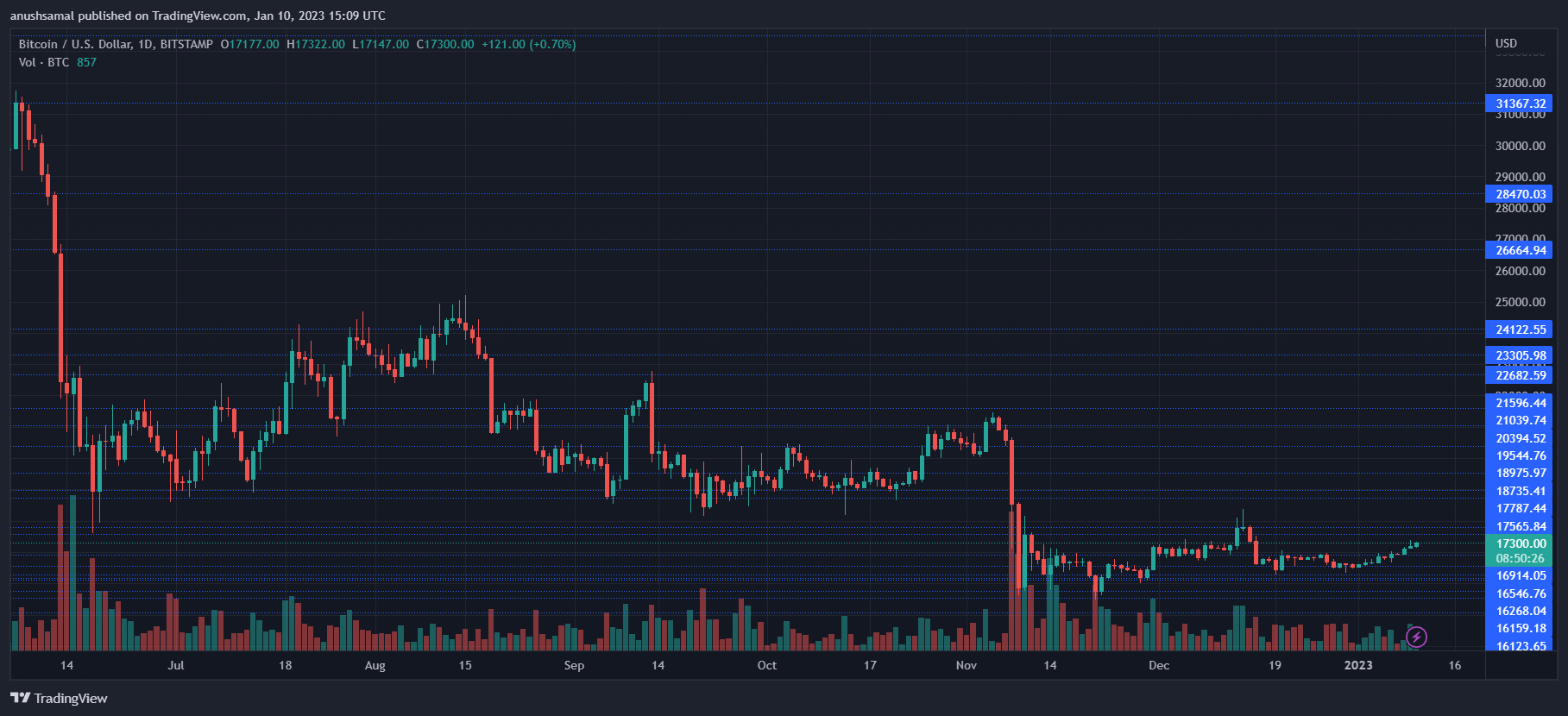
Featured Images From Unsplash, Charts From TradingView.com