
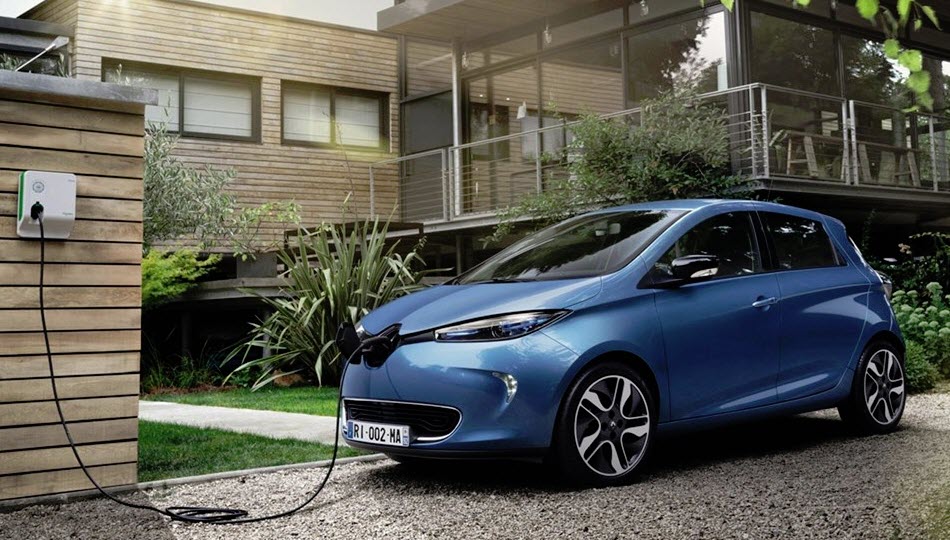
The decision is part of an economic trend in East Africa to use renewable energy sources for power and to convert motorcycle and car engines from fossil fuels to electricity.
This is also an idea that has been implemented in Algeria. In November 2022, the Algerian government announced plans to ban diesel-powered cars. The goal is to reduce carbon emissions and use cleaner energy sources. Read the story here. A few weeks ago, the country also announced plans to reduce its use of fossil fuels, despite being the continent’s fourth largest oil producer.
Kenya is now the latest African country to embrace eco-friendly initiatives. Kenya Power will gradually replace petrol and diesel vehicles with new models and retrofitted electric engines.
According to Kenya Power, Kenya has an installed generation capacity of 3,321 megawatts (MW), compared to peak demand of 2,132 MW and off-peak demand of about 1,100 MW.
“Charging electric vehicles especially at night, therefore, will help to bridge the gap between the generation capacity available at peak load and increase the average demand above 1,500 MW,” Kenya Power said in a statement.
At the beginning of the month, it was reported in Nairobi, there was an increase in charging stations for electric vehicles.
As the battery charging infrastructure is set up by the electric mobility business, these vehicles are becoming more popular.
In May 2022, e-mobility startup Ampersand launched operations in Kenya. There are about 60 customers and seven battery changing stations in the capital.
Ian Mbote, Ampersand’s expansion leader, says this transport is a money saver.
“Electric mobility is cheaper. You save 45 percent, less. Come on, fuel is now about 180 shillings per liter. Our battery costs 185 shillings to replace a full battery. That gives you about 90 to 110 kilometers. That 180 shillings in fuel gives you about 30 to 40 kilometers on a motorcycle,” he explained.