
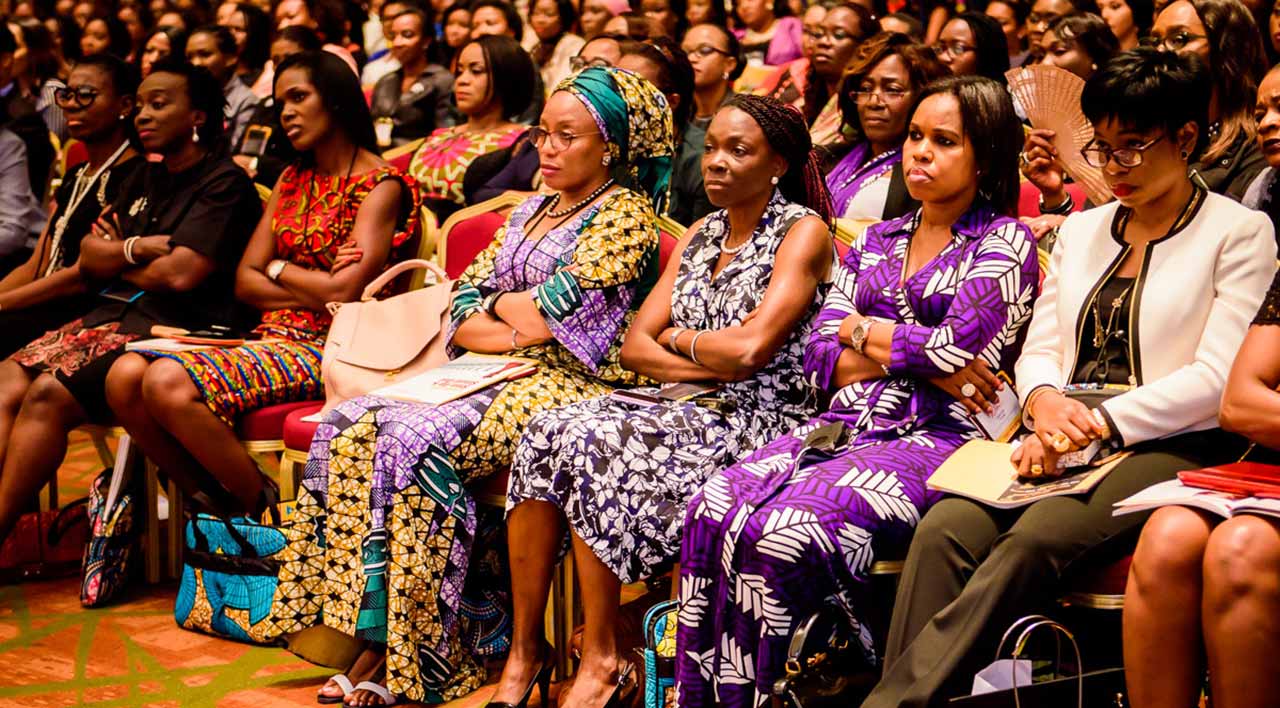
This was said by the commission’s executive secretary, Tony Ojukwu, in a statement released on Wednesday in honor of International Women’s Day in 2023. The annual International Women’s Day is celebrated on March 8.
The national assembly rejected the 35 percent affirmative action proposal to ensure that women hold 35 percent of elected positions in March 2022 when it voted on constitutional amendment laws. The country’s leadership structure should reflect gender equality, according to Ojukwu, who also noted that Nigerian women have proven their mettle in various professions.
“Gender discrimination usually comes with a lot of rejection to the detriment of society because women with great talent and potential are ignored only based on gender. However, women’s wisdom in resource management and development skills cannot be emphasized, so they undeniably remain a pillar of our time our future, because of the environment and the opportunities that can be done; women have the potential to change everything to make the world better and a better place for everyone to live in,” the executive secretary stated.
“While condemning the inability of the national assembly to pass an important law on women during the constitutional reform, he used the opportunity of International Women’s Day 2023 to once again invite federal parliamentarians to consider and pass the Gender and Equality Opportunities Bill, CEDAW Domestication. Bill and other bills that supports affirmative action as is the case in other developing countries in Africa, saying it will reduce gender-based violations and legally equip women to challenge the inequalities they face, including Sexual and Gender-Based Violence (SGBV) that continues to grow. ,” he added.
He also went on to reiterate his commitment to the struggle to empower women in Nigeria, stating that the National Human Rights Commission, will continue to advocate and promote women’s rights and participation in the country.
He stated; “We have put in place various measures to address issues related to violence against women, although they encourage Nigerian women to remain focused on the struggle to obtain affirmative action.”
A glaring gender disparity still exists in Nigeria, and days like International Women’s Day provide a very powerful platform for topics like this to be discussed. While Nigeria has made great strides in empowering women, the country still has a long way to go as many women do not have rights in the country.