Inflation in the euro zone decreased in the last two months of 2022 but economic indicators are still higher than the 2% mandate of the European Central Bank.
Jeff Greenberg Universal Image Group | Getty Images
Inflation in the euro zone fell for the third month in a row in January due to a significant drop in energy costs.
Headline inflation in the euro zone came in at 8.5% in January, according to preliminary data released Wednesday. In December, the rate was recorded at 9.2%.
Energy remained the biggest cost driver in January, but once again weakened from previous levels. Energy costs fell to about 17.2% in January, down from 25.5% in December. However, food costs rose slightly from 13.8% in December to 14.1% in January.
The 20-member region has already faced significant price increases in 2022, after Russia’s invasion of Ukraine raised energy and food costs in the bloc. However, the latest data provides more evidence that inflation is starting to ease.
Core inflation, which excludes energy and food costs, was at 5.2% in December – in line with the previous month.
“The key point is that core inflation is unchanged at a record 5.2% so the ECB will remain hawkish,” Jack Allen-Reynolds, senior European economist at Capital Economics, said by email.
The performance of Europe’s main indices over the last 12 months.
“The decrease in euro zone headline inflation in January, from 9.2% in December to 8.5%, was a big surprise. But we would not be surprised if it was significantly revised when the last euro zone data is released. on 23rd February,” he said, citing delays in receiving official data from Germany.
What does that mean?
Economic indicators are closely watched ahead of the new interest rate decision due on Thursday from the European Central Bank. Higher inflation has prompted the ECB to raise rates four times in 2022, and market expectations point to at least two more hikes in the coming meetings.
“The upshot is that a larger-than-expected decline in inflation will not prevent the ECB from raising interest rates by 50 basis points tomorrow,” Allen-Reynolds said.
In a note to clients last week, Morgan Stanley has said that “50 basis point increase in February seems like a done deal, with the discussion of the Board to center on the size of rate increases in March and beyond.”
Market participants will be looking for clues about the central bank’s next move. The main ECB rate is currently at 2%, but market expectations suggest a rise to 3.5% by the end of the first six months of the year, according to Reuters.
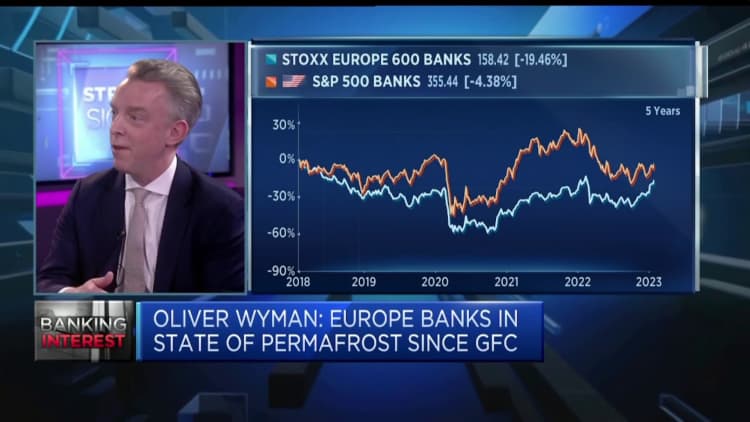
“Investors will expect Christine Lagarde to double down on her previous signal for another half-percent hike in March and what words are used to describe additional tightening in the future,” said Tom Hopkins, portfolio manager at BRI Wealth Management, on Wednesday via email. .
Unemployment in the euro zone appeared to be steady at 6.6% in December. This was in line with the previous two monthly readings and also eased fears of a significant recession in the eurozone.
Data released Tuesday showed better-than-expected growth activity in the eurozone at the end of 2022 – despite economic contraction in Germany and Italy, the eurozone grew by 0.1% in the fourth quarter last year.