
Nigeria’s President Muhammadu Buhari is set to take a decision on Friday as Africa’s biggest economy battles a cash crunch for the day Central Bank of Nigeria is expected to phase out the use of old notes.
Mr. Buhari convened an emergency meeting of the National Council of State to discuss important issues affecting the country such as the currency crisis and fuel shortages. The meeting will also review preparations for the general election.
The president acknowledged the “trouble” in the country last week, but urged citizens to give themselves seven days to resolve the cash crisis that has crippled businesses, caused misery and sparked protests across the country.
Many Nigerians have faulted the currency exchange policy and the lack of new notes has frustrated many Nigerians who work in the informal economy who depend on cash to do business, make payments, and enjoy certain services.
Millions of Nigerians are stranded and some are forced to sleep in ATM units due to the naira redesign chaos. While Nigerians in some cities are allowed to withdraw a maximum of 20,000 naira, bank ATMs do not dispense money in many parts of the country.
The cash crash also rocked digital payment systems as customers opted for online transfers, with transactions taking hours to complete or failing instantly.
Amidst these operational challenges, a PREMIUM TIMES survey showed that Point of Sale (PoS) transaction fees increased by 400 percent in most cities across the country last week.
As the president is expected to take a decision there, many Nigerians have requested that the currency swap policy be suspended immediately and only resume when the equivalent of money withdrawn from circulation has been printed and available to replace the old currency notes.
New Wisdom
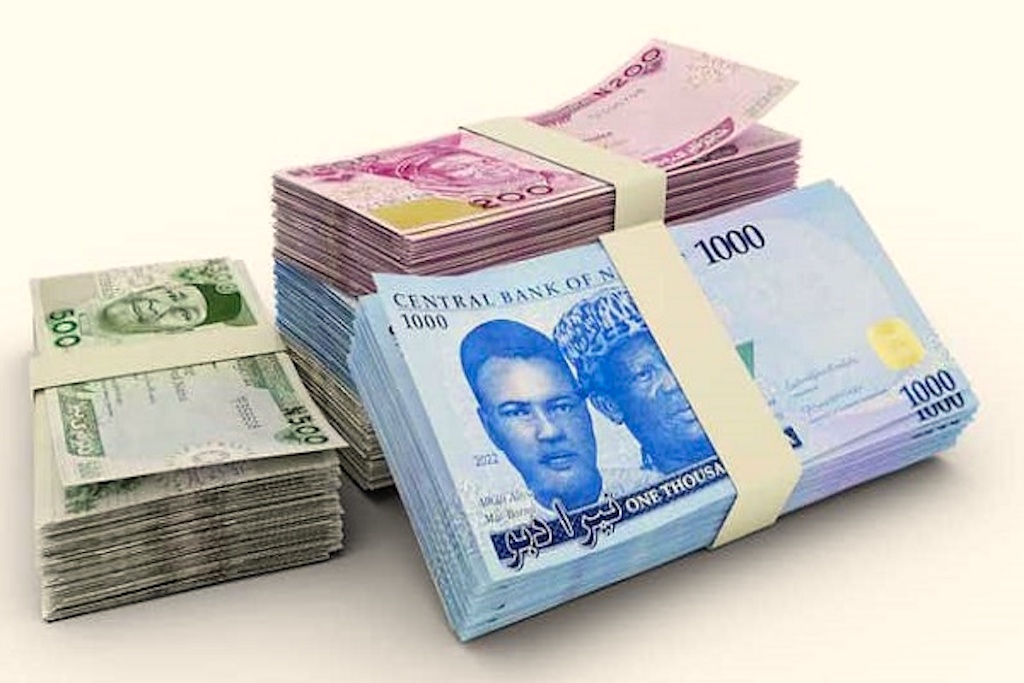
The CBN on October 26, 2022, announced the introduction of redesigned 200, 500, and 1,000 naira notes into the financial system. The currency was launched in November and the new money was launched on December 15, 2022.
The country’s apex bank also capped the withdrawal of new paper money at N100,000 per week for individuals and N500,000 for companies. As analysts are concerned that the withdrawal limit is too low and will impose difficulties on Nigerians, the central bank raised the limit to N500,000 per week for individuals and N5 million for companies.
READ ALSO: New Naira Notes: I know Nigerians ‘face adversity’ – Buhari
But many Nigerians and concerned groups denounced the policy. The Nigerian Governors Forum and federal lawmakers have called for the suspension of the policy, at least until after the 2023 general elections.
Amid pressure from many Nigerians, the CBN has extended the deadline for scrapping old notes from January 31 to February 10. Despite the extension, many Nigerians had to find new notes, while others complained that they could not withdraw their hard-earned money from their bank accounts.

Bank executives said they have not been given enough naira to replace the old ones they have collected, estimated to be close to N2 trillion. Nigerian anti-corruption agencies have reported that some banks are stealing the new currency.
Indefinite
Amidst the uproar, PREMIUM TIMES reported that the supply of the CBN’s new notes has been insufficient, making it difficult for commercial banks to meet customer demand, according to sources familiar with the details of the CBN’s operations.
However, the governor of the Central Bank, Godwin Emefiele, defended the bank’s decision, saying that the reason for the policy was to combat counterfeiting, kidnapping, corruption, money laundering, and illicit financial flows. He also said that the policy would end the practice of buying votes before the 2023 elections.

In her intervention, Finance Minister Zainab Ahmed described the initiative as a “success” as it has brought trillions of naira cash into the banking system, which the government believes will promote digital payments, reduce inflation and curb corruption.
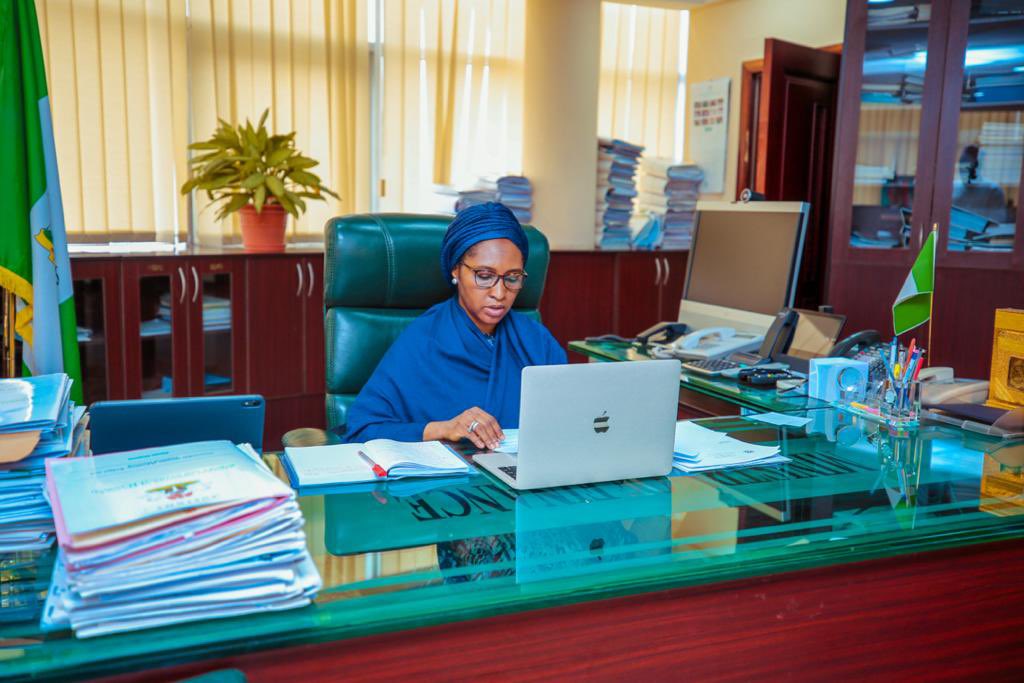
“The only thing that hurts is the pain it causes to the residents,” Ms Ahmed said.
However, the ongoing crisis has become political before the presidential election is only about two weeks away. Bola Tinubu, the APC presidential candidate, has suggested that the naira redesign plan is a plan to sabotage or delay the polls.
On his part, Atiku Abubakar of the main opposition PDP urged the CBN not to grant an extension beyond February 10 while the Labor Party’s Peter Obi asked Nigerians to “be patient with the CBN and the Federal Government in the hope that the general public and Nigeria will reap the benefits that will come with reforms.
Meanwhile, the governments of Kogi, Kaduna, and Zamfara States have taken the federal government to court, arguing that the lack of new records is causing severe difficulties and saying that “time is insufficient and unreasonable” to complete the process.
The High Court granted an interim order on Wednesday restraining the CBN from continuing its February 10 enforcement of the use of old naira notes. The court also adjourned the hearing till February 15.
But amid the uncertainty, the central bank has yet to comment on the Supreme Court decision.
The IMF on Wednesday asked the Nigerian government to give it more time to implement the naira redesign policy, noting that there were “problems” with the rollout.
“Despite the measures taken by the central bank to reduce the challenges in the banknote swap process, the IMF encourages the central bank to consider extending the deadline, if problems persist in the next few days,” the bank said.
Support the integrity and credibility of PREMIUM TIMES journalism
Good journalism costs a lot of money. But only good journalism can guarantee the possibility of a good society, responsible democracy, and transparent government.
For continued free access to the best investigative journalism in the country, we ask that you consider making a modest contribution to this noble effort.
By contributing to PREMIUM TIMES, you help keep journalism relevant and ensure it remains free and available to all.
contribute
AD TEXT: Call Willie – +2348098788999
