
After the unsuccessful launch of CBDC, Nigeria’s central bank is now trying to eliminate cash. Bitcoin can help Nigerians find their sovereignty.
This is an editorial opinion by Heritage Falodun, a Bitcoin consultant and computer scientist based in Nigeria.
Nigeria, the most populous country in Africa, introduced its central bank digital currency (CBDC), eNaira, into its financial system by the end of 2021, a move that paves the way for various financial policies, regulations and restrictions from the country’s central bank.
In an effort to steer consumers towards alternative options, like CBDC, the Nigerian government has now limited the amount of cash they can withdraw. Cash withdrawals from banks are limited to about $225, which is about 100,000 naira per week, with a daily limit of about $45. This is yet another example of how Nigeria’s financial sector has become a rollercoaster of economic sabotage since the launch of eNaira.
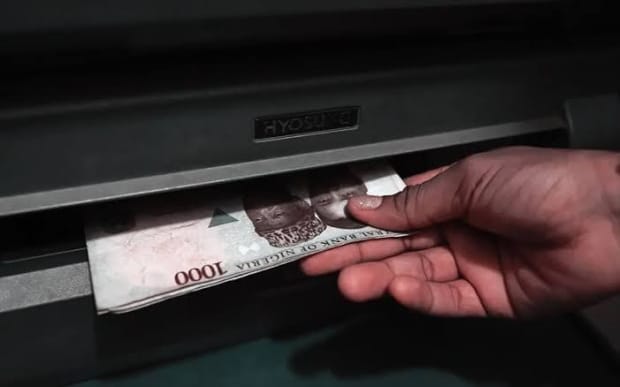
In the words of Godwin Emefiele, the governor of the Central Bank of Nigeria, the whole point of the CDBC is “to ensure that more people in this country are financially included. If you see, a lot has happened in terms of the evolution of money from commodities to metallic, then paper, to plastic and now we are talking about digital. So we have to be in tune with the world’s movements.
In his view, Nigerians should discover that CBDC is the solution to financial problems such as inflation, monetary censorship, tight payment rails, epileptic cross-border payment channels and rigid access to foreign exchange, among others. Not surprisingly, the reverse has happened, as the situation in Nigeria is now gradually moving from “banking the unbanked” to “un-banking the banked.”
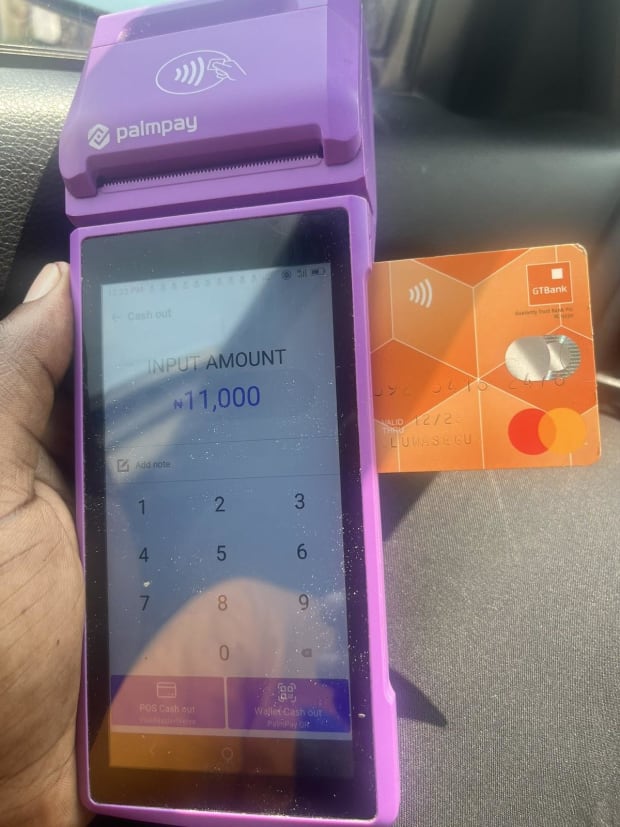
It’s February 2, 2023 — just two days after the start January 31, 2023 The deadline set by the Central Bank of Nigeria for all Nigerians to return the old naira denominations of 200, 500 and 1,000 notes – a Nigerian named Oluwasegun Kosemani tweeted“I just spent 1000 Naira from Naira @Mastercard by @gtbank to buy 10,000 Naira cash from @palmpay_ng POS. The Nigerian government is deliberately forcing its citizens into a cashless Keynesian economy while the CBDC – eNaria surveillance position is the ultimate goal.
As this example shows, informed Nigerian youths, who make up about 70% of the Nigerian population, understand that these regulations are mostly about financial control. It’s about pushing for a cashless policy where the government has complete control over all citizens while having the luxury of tracking every transaction.
Judging by the less than 0.5% adoption rate of eNaira since its launch about 16 months ago, it seems that only government action, such as the current cash restrictions Nigerians are dealing with, will force people to use CBDC.
However, the Nigerian disposition is visible to the blind and audible to the deaf as the country regularly registers the top list for bitcoin and crypto exposure.
How Nigerians are adapting to the new financial reality
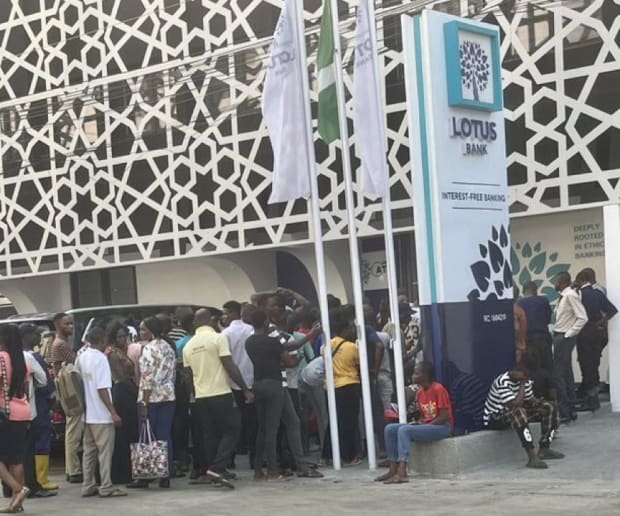
To learn more about the balance between Bitcoin adoption and being forced into eNaira, I spoke to several business owners in Nigeria. Eric Ogbekenewho works in the media and tech industry there and also runs a bespoke men’s fashion business on the side, said, “The cash swap policy has been ridiculous, to say the least. Today, February 4, 2023, you cannot get physical money in all the modern markets of Garki in Abuja, Nigeria. People cannot take care of small business transactions, such as cash for services, transportation, etc. It is bad because even traditional banking applications seem to be overwhelmed by the increase in transactions and cannot cope.
I interviewed an over-the-counter bitcoin liquidity provider named Oluwatimilehin Kayode, popularly known as “Pander” by customers and traders.
“How do you deal with business in the midst of this new policy and cash crunch?” I asked.
“Bro, it’s not as easy as yes, but we will force myself, if I will be honest with you,” he replied in Nigerian dialect. “It’s crazy, it affects our P2P transactions on the exchange because most transactions keep showing bank network errors and there are also limits on transactions and high fees. But you know, Bitcoin will always find a way out for us in the middle of all the restrictions. Even if we do not have access to cash over the counter, we continue to attract P2P transactions with Bitcoin and Tether using existing conventional methods.
Mary Imasuen, Bitcoin podcast host, has tweeted that, “If vendors are open to accept bitcoin payments, we will not have to deal with the craziness happening in the country today.”
Sharing his odyssey amid cash and transaction struggles, Imasuen has experienced people withdrawing 20,000 naira with 3,000 naira as fees paid to traders. He has stated that “Money is sold for money now.”
Nigeria has always been a cash based society and with the current problem, people cannot get cash from banks or ATMs. Those who earn money have to pay at a premium and the prices of these goods rise.
Bewildered by the actions of the government, I feel that Nigerians are resilient. It is not surprising that Ray Youssef, CEO of Paxful, has written that “Nigerian youth taught me to think beyond the financial system of the West and look for alternative payments to buy Bitcoin.”
Nigerians must now know that CBDC is here and, slowly but surely, the government will continue to restrict access to cash until it disappears and has taken away everyone’s financial freedom.
Providing a sustainable solution, the best and only solution for Nigerians to achieve a decentralized cashless economy is through Bitcoin, which is fundamentally different from the cage of financial slavery led by CBDC. The Bitcoin blockchain democratizes proof-of-work finance by enabling transactions on a distributed, open and transparent ledger, while the CBDC offers a centralized and closed source fabric that gives governments full control and issuance.
Until Nigerians decide to separate money from State actors, the masses will remain slaves to the central authority. Ultimately, this is more of an opportunity for Nigeria to opt out and break the shackles of financial restrictions with Bitcoin.
This is a guest post by Heritage Falodun. Opinions expressed are entirely their own and do not necessarily reflect those of BTC Inc or Bitcoin Magazine.