
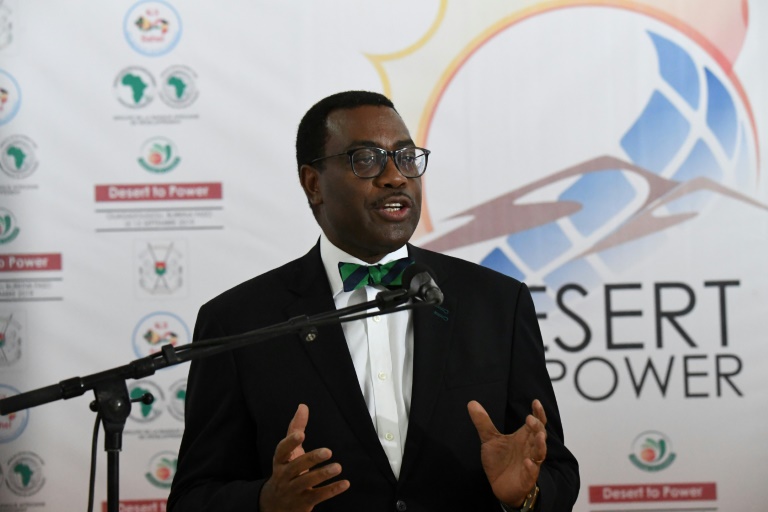
Presenting the report, Chief Economist and Vice President of the African Development Bank Kevin Urama noted that African economies could benefit from high demand for commodities as countries seek alternatives to food and energy in response to disruptions caused by the war in Ukraine. Urama urged African countries to strive for higher growth rates, more inclusive economies, and greater resilience to external shocks.
As the global economy faces uncertainty, the stable outlook forecast for 2023-2024 reflects continued policy support in Africa and global efforts to mitigate the impact of external shocks. The new publication, which will be released in the first and third quarters of each year, will provide African policymakers, global and domestic investors, researchers, and other development partners with the latest evidence-based assessments of the continent’s new macroeconomics. performance and short- to medium-term prospects amid dynamic global economic developments.
However, African countries face unfavorable global conditions, including rising inflation, higher debt service costs, and the risk of debt distress. Urama noted that the tightening of financial conditions and the appreciation of the US dollar had negative consequences for most African economies, making it difficult for African countries to access international capital markets for new financing.
Most African currencies, especially those of commodity exporting countries, lose significant value against the dollar in 2022 due to the tightening of monetary policy in the United States. Attrition rates range from 21% in Malawi to 69% in South Sudan. Urama warns that currency weakness in more globally integrated African economies, such as Algeria, Kenya, Nigeria, and South Africa, may occur in 2023.
The report also highlighted other economic issues, including the impact of the policy response to COVID-19, rising geopolitical tensions, and the spillover effects of Russia’s invasion of Ukraine. These conditions lead to price stability beyond that of most central banks.
Urama urged bold policy actions to meet the significant funding gap in Africa, stating that “it is important to implement policies that can mobilize and use private financing for development in Africa.” The fiscal position of African countries has been affected by the policy response to COVID-19 and support for vulnerable populations against rising food and energy prices amid high debt and the impact of climate change.
The report of the African Development Bank Group provides important insights into the current state of African economies and underscores the need for strategic policy action to address challenges and seize opportunities for growth and development.