
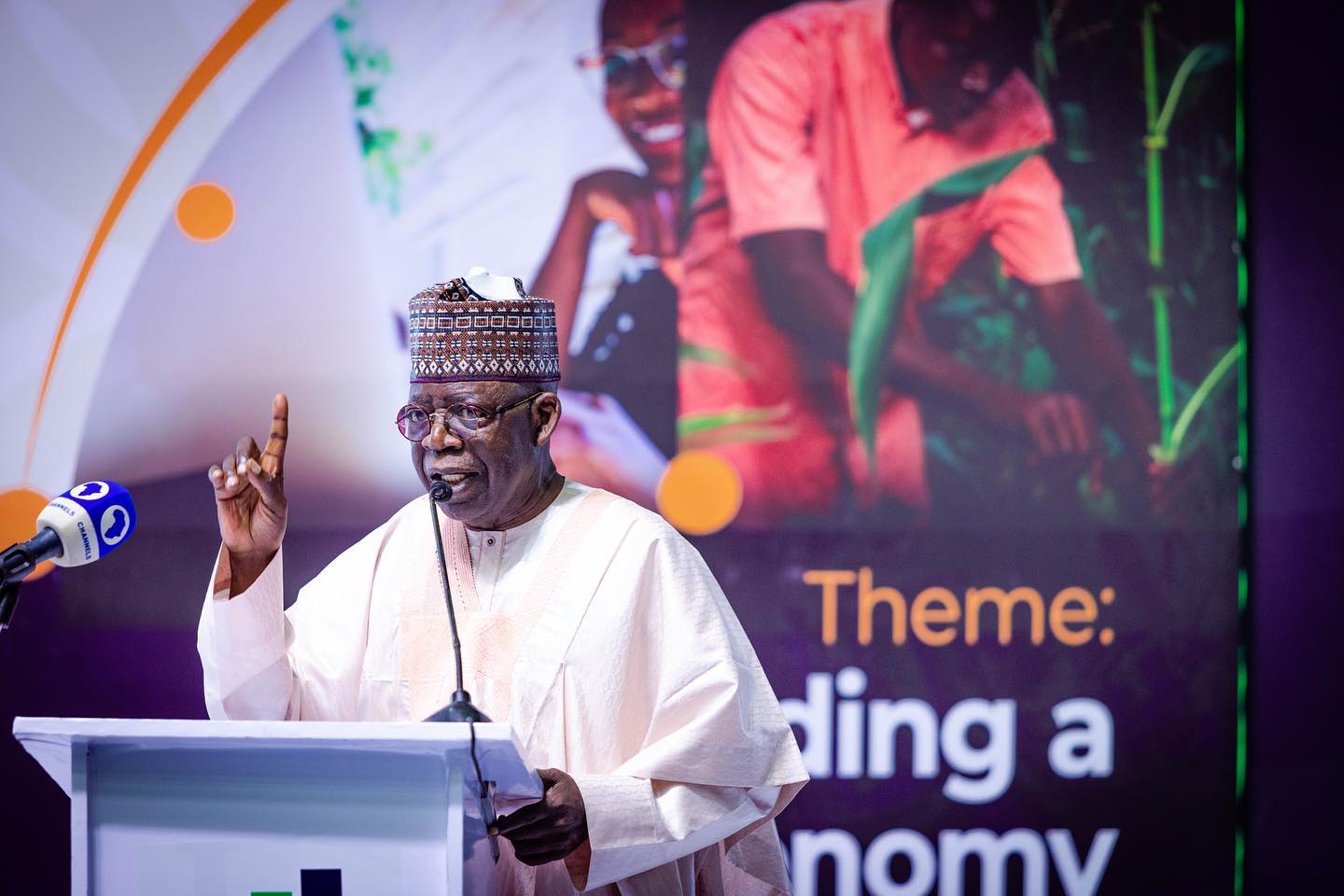
In his acceptance speech, the president-elect extended an olive branch to the opposition. They should be close in rank with Mr. Tinubu and accept it for the better. Western governments and the international community must help the Buhari administration to facilitate a peaceful transition of power. The country cannot afford to repeat a crisis similar to the crisis that occurred in June 1993…
The just concluded Nigerian elections will not pass the purity test. It is marked by many irregularities, including the late arrival of polling materials at polling stations, frustrating technical disruptions, and scattered incidents of violence, among them many cases of voter intimidation by party agents and random miscreants. Evidence suggests that the disruption of logistics and illegal conduct is more or less national.
Given these disruptions and irregularities, some have been quick to suggest that the vote be canceled immediately and rescheduled for a time when the Independent National Electoral Commission (INEC) may be in a better logistical fettle. As the results trickled in from around the country, former President Obasanjo asked President Muhammadu Buhari to step in and cancel all elections that do not meet the “test of credibility and transparency.” Before INEC finished collating results from across the country and announced Bola Tinubu of the All Progressives Congress (APC) as the winner of the presidential election, representatives of the two main opposition parties, the People’s Democratic Party (PDP) and the Labor Party. (LP) also sought to prevent the announcement by calling for the annulment of the election and the resignation of INEC Chairman Mahmood Yakubu.
While the anger and disappointment of those calling for cancellation is understandable, the request is illegal and irresponsible. Nigeria’s electoral law is very clear on what should happen if a candidate in an election has a legitimate complaint; nowhere in the relevant statute is there any allowance for annulment. Accordingly, the choice before Atiku Abubakar and Peter Obi is clear: acknowledge and congratulate Mr. Tinubu, or seek legal remedies.
While many election flaws can be freely admitted, in INEC’s defense, it must be remembered that it was done against the backdrop of insecurity, chronic fuel shortages, untimely cash exchange policies that left ordinary Nigerians cash-strapped, as well as the general situation that indefinite. Measured against these odds, and considering the underlying political tensions in the country, INEC appears to have actually exceeded expectations. The credibility of the Commission among the Nigerian public has been consistently high, and we may rightly hope it remains so after the dust settles. There is no question that they need help, especially in terms of technology adaptation and personnel training, but the angry portrayal of the incumbent as an uncompromising woman could not be further from the truth.
Nor is the pattern of the results of the election that produces a lot of noise because the affirmations support the insinuation of organized rigging. For example, while, as expected, Tinubu, Abubakar and Obi won easily in their respective ethnic strongholds, Obi surprisingly defeated Tinubu in Lagos, the latter’s political constituency, while Buhari’s status as president was not enough to prevent the loss of his home state. from Katsina to Abubakar, who also took over Osun State from Tinubu’s nose. Also not many northern APC governors, if they did not remain in support of Tinubu, prevented Abubakar, Obi, and Rabiu Kwankwaso of the New Nigeria People’s Party (NNPP) from claiming victory in their state. Abubakar’s running mate, Delta State Governor Ifeanyi Okowa, lost to Obi.
On the contrary, the first impression is that the election shows a new reality and alignment in Nigerian politics. For one thing, it has resolved the question of the viability of third-party candidacy. The candidate from the incumbent APC may have won, but the era of the APC-PDP duopoly, in place since the return to civil rule in 1999, seems over. For another, he has onboarded a new coalition of young Nigerians who rightly bristle at the outsized influence of the old guard. Early indications are that this coalition will remain influential for the foreseeable future. To translate this influence into political success, coalitions must extend their scope beyond their current spatial and regional comfort zones. Being locked in a bubble is one of the reasons why they only see the platform’s strengths and not its weaknesses.
In his acceptance speech, the president-elect extended an olive branch to the opposition. They should be close in rank with Mr. Tinubu and accept it for the better. Western governments and the international community must help the Buhari administration to facilitate a peaceful transition of power. The country cannot afford to repeat a crisis similar to the crisis that occurred in June 1993 when the military regime of Ibrahim Babangida canceled the presidential election when it was on the cusp of producing a clear winner.
The election may not be a paragon of execution, but it is nothing like the sham that a section of the opposition is determined to portray.

Ebenezer Obadare is the Douglas Dillon Senior Fellow for African Studies at the Council on Foreign Relations (CFR).
This article was originally published by the Council on Foreign Relations as part of the Diamonstein-Spielvogel Project on the Future of Democracy.
Support the integrity and credibility of PREMIUM TIMES journalism
Good journalism costs a lot of money. But only good journalism can guarantee the possibility of a good society, responsible democracy, and transparent government.
For continued free access to the best investigative journalism in the country, we ask that you consider making a modest contribution to this noble effort.
By contributing to PREMIUM TIMES, you help keep journalism relevant and ensure it remains free and available to all.
contribute
AD TEXT: Call Willie – +2348098788999
