
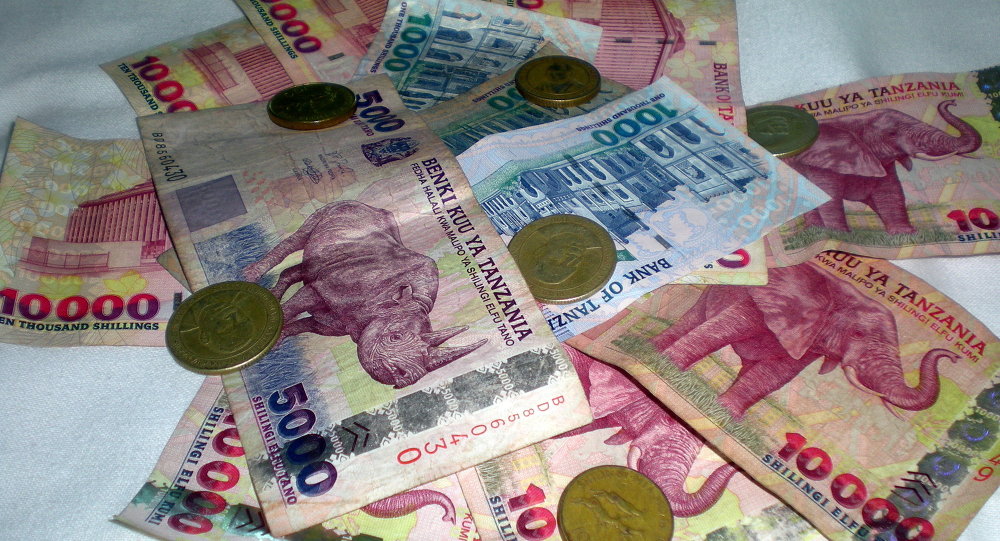
Tanzania and India can do business using their respective currencies, the Tanzanian Shilling and the Indian Rupee, thanks to a bilateral trade settlement agreement.
According to data from the Indian High Commission in Dar es Salaam, the value of trade between the two countries was $4.5 billion (about Sh10.4 trillion) in the year ending March 2022. India is one of Tanzania’s largest trading partners.
According to Binaya Pradhan, India’s High Commissioner to Tanzania, between April 2021 and March 2022, India’s exports to Tanzania amounted to $2.3 billion (or about Sh5.3 trillion), while imports from the East African country were about $2.2 billion (about Sh5.1 trillion ).
He said Tanzanian businesses and banks have the opportunity to make full use of the new framework to enable smooth payments in the local currency.
Mr. Pradhan added that this is anticipated to increase bilateral trade as well as help to save foreign exchange. “There is great potential for our trade to grow. We expect the trade volume to exceed $6 billion (Sh13.8 trillion) this year,” said.
Tanzania exports minerals, especially gold, and agricultural products to India, while the south Asian country imports petroleum products, pharmaceuticals, and engineering goods from Tanzania.
The Reserve Bank of India (RBI) has opened the way for trade using the local currency by allowing authorized Indian banks to open Special Rupee Vestro Accounts (SRVA) in Tanzania, according to a press release posted on the Indian High Commission in Dar es Salaam website . .
Tanzanian banks must open an SRVA in India in order to trade under this mechanism. They will then have to approach the authorized Indian banks, who will then approach the RBI for approval with information about the arrangement.
Bank of Baroda, which has branches operating in Tanzania, has received RBI approval to open SRVA for its foreign branches and subsidiaries located in various countries, including Tanzania, the statement said.
Indian importers using this mechanism will pay invoices for the supply of goods or services from overseas sellers or suppliers with payments made in Indian rupees that will be made to a special Vestro account of the correspondent bank of the partner country.
On the other hand, Indian exporters using this mechanism to export goods and services can receive export proceeds in rupees from funds in the designated Special Vestro Account of the appropriate bank of the partner country.
This arrangement currently applies to 18 countries, including Kenya, Uganda, Botswana, Mauritius and Seychelles, Fiji, Germany, Guyana, Israel, Malaysia, Myanmar, New Zealand, Oman, Russia, Seychelles, Singapore, Sri Lanka, and the United Kingdom. .
The details of the bilateral trade mechanism using the local currency will be discussed at a meeting of stakeholders organized by the Indian High Commission on March 24.