
This report comes from Everyday business, Kenyan business publication, shows that the drawbacks of the financing will affect the most infrastructure projects.
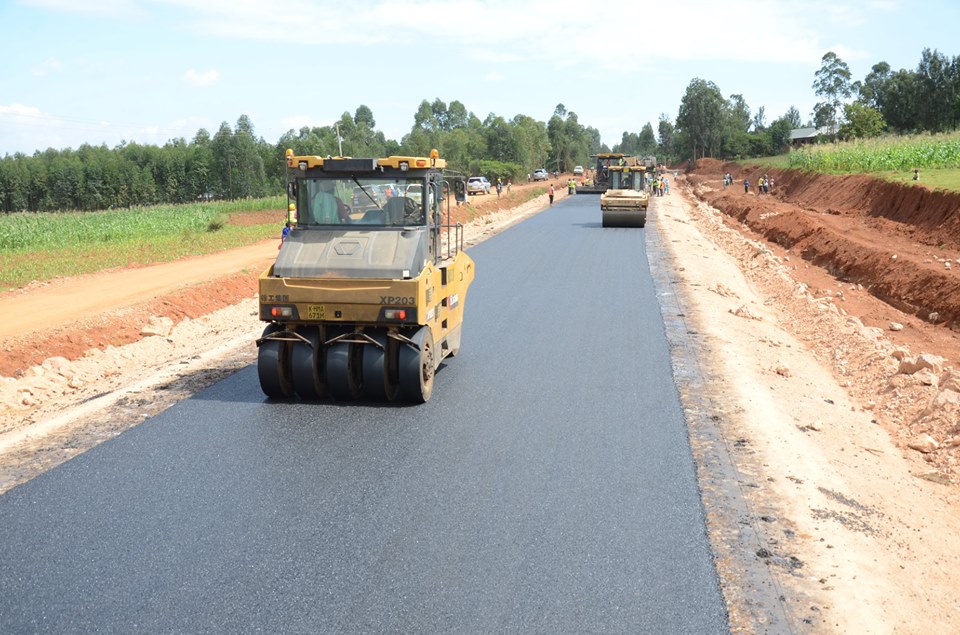
Global lenders such as the World Bank and the African Development Bank (AfDB) have cut funding for road and energy infrastructure projects, prompting President William Ruto’s government to postpone or delay their completion.
China Exim Bank, for example, has docked the Kamburu-Embu-Thika Transmission Line Sh4.5 billion, one of the steepest cutbacks.
The AfDB has spent Sh3.15 billion to build a 1,045 km 500 kV High Voltage Direct Current (HVDC) transmission line that is trying to connect the Kenyan and Ethiopian grids.
World Bank funding for projects aimed at increasing electricity availability by reducing construction costs has been reduced by Sh2.9 billion, while the Gilgil-Thika Konza 400 KV Transmission Line lost Sh2.3 billion.
Kenya has been relying on foreign loans to upgrade old power lines and boost the availability and quality of energy to meet the growing needs of a growing population and boost economic growth.
This report contradicts several reports from Construction Kenya (CK), a site dedicated to Kenyan projects. On the official website of CK, there are several reports indicating foreign investment in Kenyan projects including, reports that Globeleq, a power producer based in London, has signed a financial agreement with many investors to develop a 35MW geothermal power plant nearby. Menengai Crater in Nakuru Regency.
In addition, the World Bank’s International Finance Corporation (IFC) has pledged Sh40 billion ($320 million) in funding for the Sh190 billion Nairobi-Mau Summit Highway, a move that will unlock more funds for the project. Although this may be one of the affected projects.