
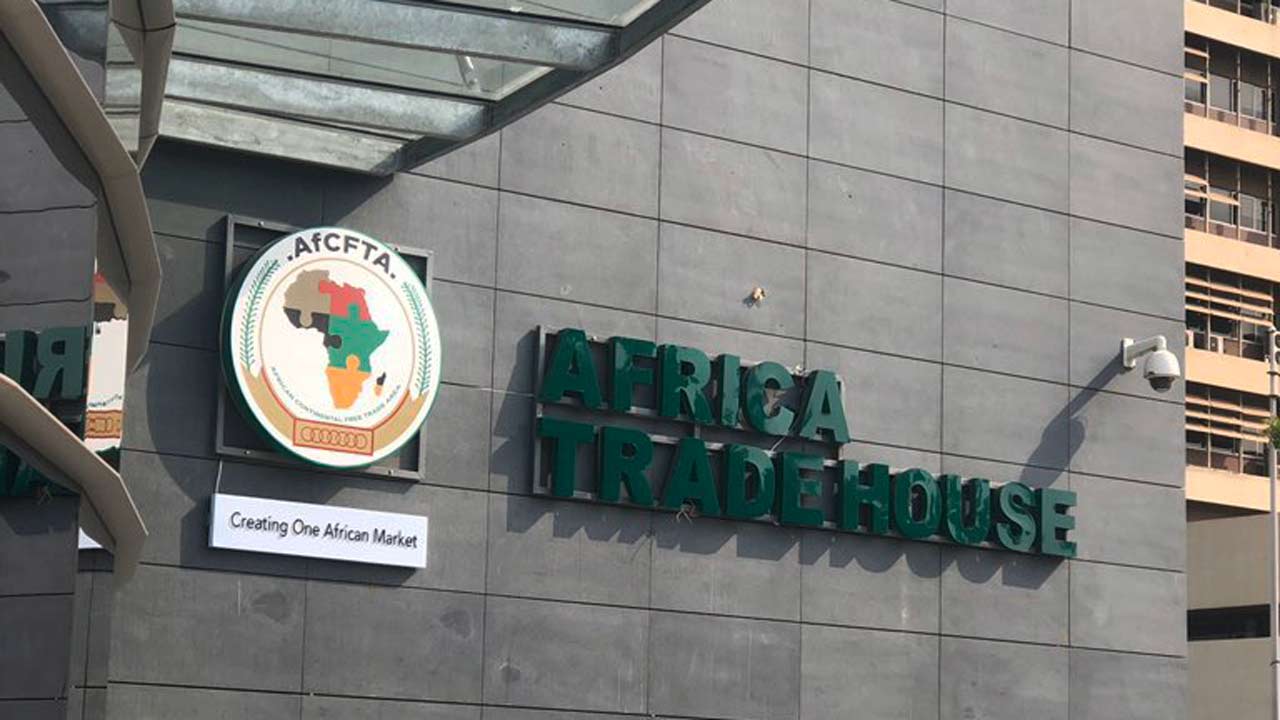
One of the central initiatives of Agenda 2063: The Africa We Want, the African Union’s long-term development plan to make the continent a global superpower, is the AfCFTA.
AfCFTA to Africa is the EU’s Free Trade to Europe. Both groups, in short, are designed to develop economic cooperation in their respective continents to reduce dependence on other markets that are too far from their territories.
According to the official agreement document between the member states, the main objective of the AfCFTA is to create a single market for goods and services, facilitated by the movement of people to deepen economic integration on the African continent and by the Pan-African Vision of an “integrated, prosperous and peaceful Africa” that exists in Agenda 2063.
With that in mind, here are 5 important things to note about this pro-African business initiative.
Promotion of free trade: One of the ways AfCFTA plans to strengthen intercontinental trade with Africa is to liberalize trade tariffs. One of the group’s main goals is to eliminate tariffs and even non-tariff barriers to trade in goods in Africa in order to increase trade between African countries.
Institutional Framework: The administration of the AfCFTA will include a hierarchical system that goes from the Assembly to the Council of Ministers, to the Committee of Senior Trade Officials, and finally, to the Secretariat.
Hierarchy: The Assembly, is the highest decision-making organ of the African Union. The Council of Ministers is the Minister responsible for Trade or other ministers, authorities, or officials appointed by the State Party. The Committee of Senior Trade Officials consists of the Permanent or Principal Secretary or other officials appointed by each State Party. And, the Secretariat will be responsible for approving the structure and budget.
General exceptions: The AfCFTA agreement has been designed so that nothing will harm public morals, human, animal, or plant or health, the import and export of gold or silver, and the criminalization of prison labor, among other restrictions listed in the official agreement. .
Security protocols: There is nothing in the AfCFTA agreement that allows the trade of fissile materials, the traffic of weapons, ammunition, and war equipment, and the traffic of goods and other materials used to supply military installations, directly or indirectly.