
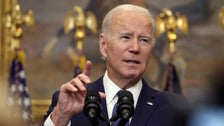
The Biden administration said on Monday it plans to end the COVID-19 public health emergency in May, more than three years after the virus began to spread in the country.
The White House plans to renew the existing emergency declaration before it expires on May 11, allowing local governments and health care providers to return to pre-pandemic operations and avoid the chaos caused by the suddenness of the declaration. In a public health emergency, programs such as Medicare and Medicaid can provide extra funding to states to address pandemic-related care. Millions of Americans can receive free COVID-19 tests, and many can receive virus-related treatments without co-pays.
The emergency has been updated every 90 days since the Trump administration first declared it in 2020, with the most recent update on January 11. The Biden White House said it would give at least 60 days notice before ending the declaration.
“The end of the emergency declaration will create chaos and uncertainty throughout the health care system – for the state, hospitals and doctors’ offices, and most importantly, for tens of millions of Americans,” the White House Office. Management and Budget said in a statement. “If PHE were to be stopped suddenly, it would create confusion and chaos in this critical headwind.”
The end of the public health emergency would also end the controversial Title 42 border policy, which allows the government to deport foreign nationals and restrict asylum seekers hoping to enter the US.
The plan signals the federal government is ready to return to some measure of normality. Many Americans are now vaccinated, including with booster shots, and the country has widespread access to inoculations and updated treatment regimens that reduce the risk of death and serious illness associated with the virus.
Still, on average, more than 500 people in the US die from COVID every day.
The World Health Organization said Monday that the COVID-19 pandemic remains a global health emergency but said it may change that declaration in the future because the virus is nearing an “inflection point.”
“We remain hopeful that in the coming year, the world will transition to a new phase that reduces hospitalizations and deaths to the lowest levels possible,” said WHO Director-General Tedros Adhanom Ghebreyesus on Monday.