
2022 has been quite a busy year for the Nigerian health sector, especially with the COVID-19 pandemic, the Lassa fever outbreak, and the re-emergence of Mpox.
From grappling with the country’s overstretched health system to losing many health personnel to developed countries, 2022 will remain an unforgettable year for the sector.
In this report, PREMIUM TIMES analyzes some of the main landmarks that will shape the health sector in 2022.
The covid-19 pandemic
Two years after Nigeria reported its index case of COVID-19 in an Italian traveller, the country appears to have weathered the pandemic that previously devastated its health system.
Routine immunization, maternal and reproductive health, and child and adolescent health are among the health services disrupted by the pandemic, which has affected more than 600 million people worldwide.
Nigeria has now tested more than 5.7 million COVID-19 samples, with 266,450 coming back positive. More than 3,000 people have also died from complications related to COVID-19 in the country.
The number of cases reported each week has decreased drastically compared to the beginning of the pandemic.
At the beginning of the pandemic, new cases reported across the country ranged from 100 to 200 per day. However, fewer than 50 weekly cases have been reported in recent weeks.

This downward trend may be unrelated to the increase in the rate of COVID-19 vaccination in the 36 states and the Federal Capital Territory (FCT).
Nigeria started the COVID-19 vaccination in March 2021 and has so far vaccinated more than 63 million eligible people targeted for vaccination. Another 12 million eligible people have also received one dose of the COVID-19 vaccine.
Although the country failed to reach the ambitious goal of vaccinating 40 percent of the population by the end of 2021, and 70 percent by the end of 2022, efforts are still underway to ensure more people take the vaccine.
Relaxation of the COVID-19 travel protocol
In response to the significant reduction in COVID-19 infections, the Nigerian government ordered the relaxation of COVID-19 safety measures and travel advisories, including the suspension of all pre-departure, pre-boarding and post-arrival PCR testing requirements.


Announced by the Presidential Steering Committee on COVID-19 (PSC) on December 12, 2022, the relaxed protocol including the use of face masks in public places and the ban on mass gatherings is now optional.
Before the break, a PCR test for COVID-19 is required within 48 hours of departure for all travelers. There is also a mandatory Post-Arrival PCR test on Day-2 for travelers arriving in the country. Partially vaccinated travelers and unvaccinated persons are also expected to self-isolate for seven days and a negative Post-7-day COVID-19 PCR test is required to exit isolation.
Various controversies have followed Nigeria’s COVID-19 protocol for international travelers. Many have complained about the high cost of PCR tests even though other countries have discontinued the protocol.

Drain your mind
The continued emigration of doctors, nurses and other health professionals to developed countries is one of the main “sad” developments in the sector in 2022.
Various statistics show that many Nigerian doctors are migrating in search of greener pastures in developed countries.
A 2022 UK immigration report showed that 13,609 Nigerian health workers (including doctors) were granted work visas last year, making the country second to 42,966 from India. President of Nigerian Medical AssociationUche Rowland, at a symposium on ‘brain drain in the health sector’, said more than 5,000 doctors migrated to the United Kingdom (UK) in the last eight years.
This has created a huge gap in Nigeria’s health system, with only 24,000 doctors left to cater to a population of over 200 million. This is also in stark contrast to the approximately 360,000 doctors needed to meet World Health Organization (WHO) recommendations.
Nurses and medical consultants also left. Between 2019 and mid-2022, at least 4,460 nurses migrated from Nigeria to the United Kingdom (UK), according to data from Development Research and Project Center (dRPC).
About 500 medical and dental consultants are also leaving the district between 2020 and 2022
When health experts gathered in Abuja at the end of the year to discuss ways to prevent brain drain, they recommended improvement in the working conditions of doctors and other health personnel as a panacea.
In the interview with the News Agency of Nigeria (NAN), Nigeria’s Minister of Health, Osagie Ehanire, agreed that the working conditions of doctors should be improved, and said that the government is making efforts. He also said that the government is looking for experienced Nigerian doctors living abroad to provide health services to Nigerians.
Increase in the death of Lassa fever, infection
By 2022, Nigeria has seen a surge in Lassa Fever infections in 36 States and the FCT.
The most recent epidemiological report published by NCDC for the 50th week of 2022, from December 12 to 18, shows that the number of confirmed cases and deaths increased compared to those reported in the same period in 2021.
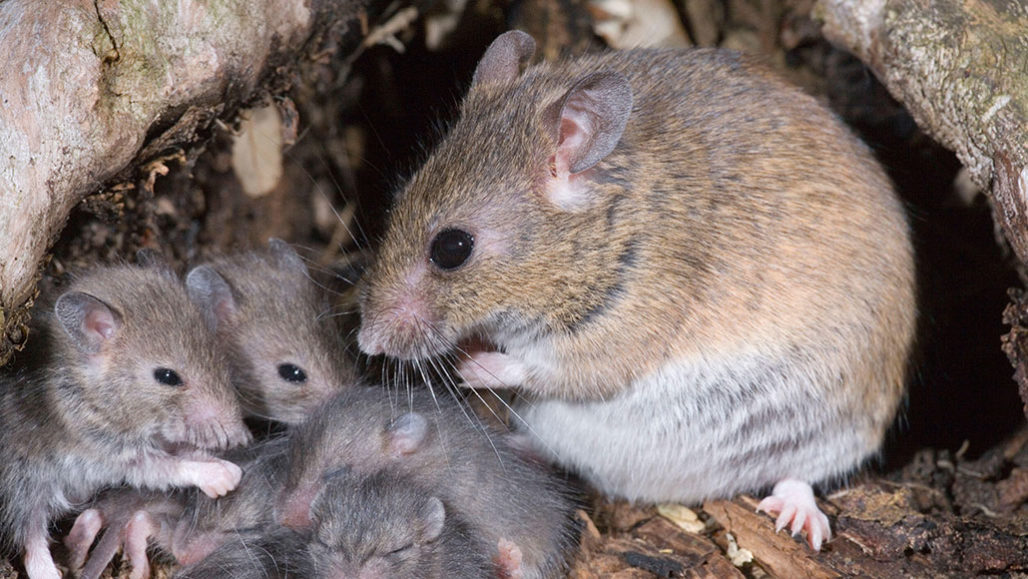
The report states that from week 1 to week 50, 2022, 183 deaths were reported with a case fatality rate (CFR) of 17.6 percent, which is lower than the CFR for the same period in 2021 of 20.3 percent.
In addition, a total of 1,038 confirmed and 7,981 suspected infections were recorded between January and December 18 in 111 LGAs in 27 states.
Of all the confirmed cases, 71 percent are from Ondo, Edo and Bauchi. While Ondo State in the southwest tops the list of infections with 33 percent, Edo and Bauchi states have 25 and 13 percent respectively.
Reappear from Mpox
The world was gripped by a new outbreak of Mpox in 2022 from the UK which linked the first confirmed infection to Nigeria. In May, the UK Health Safety Agency (UKHSA) announced in a statement that an unidentified person traveling from Nigeria to the UK tested positive for Mpox.
The following month, the WHO declared Mpox a global health emergency of international concern due to its continued spread around the world, and also approved the name change from Monkeypox to Mpox.
READ ALSO: WHO recommends “mpox” as the new name for monkeypox
While data from the WHO and the CDC confirm that gays, bisexuals, and other men who have sex with men make up the majority of cases in the current Mpox outbreak, Nigeria also continues to report infections.
On December 21, data from the African CDC showed that since the beginning of 2022, the continent has reported 1,176 confirmed cases and 219 deaths from eight member states of the African Union (AU). Nigeria has 704 infections, followed by the Democratic Republic of Congo (DRC) and Ghana with 257 and 107 cases respectively.
According to the data, DRC recorded the highest number of deaths at 198, while Nigeria and Ghana reported only seven and four deaths respectively.
From NHIS to NHIA; Compulsory health insurance
As part of his efforts to achieve Universal Health Coverage (UHC) for all, President Muhammadu Buhari signed it into law National Health Insurance Authority (NHIA) Bill 2022.
NHIA, which canceled it National Health Insurance Scheme (NHIS) The law, which has been in place since 2004, makes health insurance compulsory for all Nigerians.
Mr. Buhari said NHIA will collaborate with state government health insurance schemes to accredit primary and secondary health facilities and ensure enrollment of Nigerians.
The law also includes a Vulnerable Group Fund (VGF), to ensure coverage for the 83 million Nigerians who cannot afford premiums as recommended by the Nigerian Lancet Commission.
He said that the “vulnerable group fund” will be financed through basic health care provision funds, health insurance levies, special intervention funds, as well as the results of investments, donations and gifts to authorities.
Health gets the highest budget allocation
For the first time in the history of health funding in Nigeria, more than a trillion naira has been allocated to the sector in the proposed 2023 budget. An analysis of the budget proposed by President Muhammadu Buhari in October showed that N1.17 trillion (5.75 percent) was allocated to the health sector out of the total budget of N20.5 trillion for the 2023 fiscal year.
Although it failed to meet the 2001 commitment to allocate at least 15 percent of the total budget to the health sector, it is the highest ever allocated to the sector.
African heads of state and government in the African Union (AU) in April 2001 made a commitment to allocate at least 15 percent of their annual budget to the health sector in what is now known as the ‘Abuja Declaration.’
While countries like Rwanda and South Africa have met their commitments, Nigeria has yet to find a way to do so. A review of budgetary allocations to the health sector over the past 21 years shows that Nigeria has never met the 15 percent target. Although the 5.75 percent allocated to health in the 2023 budget is an increase from the 4.7 percent allocated in 2022, health experts say more advocacy is needed to ensure the government fulfills the commitments made in the Abuja Declaration.
Support the integrity and credibility of PREMIUM TIMES journalism
Good journalism costs a lot of money. But only good journalism can guarantee the possibility of a good society, responsible democracy, and transparent government.
For continued free access to the best investigative journalism in the country, we ask that you consider making a modest contribution to this noble effort.
By contributing to PREMIUM TIMES, you help keep journalism relevant and ensure it remains free and available to all.
contribute
AD TEXT: Call Willie – +2348098788999
